
The global race to release frontier artificial intelligence models has entered an aggressive execution phase. Top labs like OpenAI, Anthropic, Google, and Meta are locked in a relentless cycle of scaling compute, slashing token costs, and embedding agentic workflows directly into consumer and enterprise ecosystems.The current landscape of the AI model race is defined by a shift from pure raw intelligence to specialized execution, falling infrastructure costs, and intense geopolitical friction.Leading Frontier ModelsThe frontier landscape features distinct tiers optimized for raw logic, massive context windows, or cost-efficient speed.
OpenAI: Deployed its flagship GPT-5.5 series. It utilizes specialized math and reasoning layers via engines like o3 to cross the threshold into domain-expert troubleshooting.
Anthropic: Pushed the boundary with Claude Opus 4.7. It excels at complex, multi-step agentic workflows and advanced task planning.
Google DeepMind: Leads abstract reasoning benchmarks and ultra-large multi-modal streams with Gemini 3.1 Pro, scoring near-perfect marks on scientific reasoning indices.
Meta AI: Pushes the boundaries of open-weight performance. It allows enterprises to bypass expensive APIs by hosting highly competitive, localized models on their own data systems.
The Paradigm Shift: Performance vs. Platforms
The metrics for winning the AI race have evolved. Marginal benchmark gains are no longer the only goal.Agentic Workflows: Systems are transitioning from passive chat prompts to autonomous agents. They can use computer tools, write their own code, and execute multi-step workflows without human intervention.The Orchestration Layer: Value is migrating up to the AI operating system layer. Enterprises favor multi-tool platforms that automatically route queries to the cheapest, fastest model based on task complexity.The Cost Collapse: Open-source alternatives like China’s DeepSeek V4 and Alibaba’s Qwen 3.5 are creating steep price deflation. This pressures US labs to dramatically drop API costs to remain competitive.
Rising Safety Risks and Geopolitical RoadblocksThe rapid speed of AI development has triggered severe pushback from regulatory bodies and safety institutions.Recursive Self-Improvement: AI labs are using their own current models to build their future systems. For instance, Anthropic noted that Claude now autonomously writes 80% of its internal code. This has sparked warnings regarding a potential, ungovernable capability explosion.Government Intervention: In a major display of regulatory power, the U.S. government placed strict export restrictions on Anthropic’s most advanced unreleased systems, Claude Fable 5 and Claude Mythos 5. Citing national security concerns, the order effectively shut off access due to risks associated with automated vulnerability exploitation.
Future Commercial ImplicationsHardware Constraints:
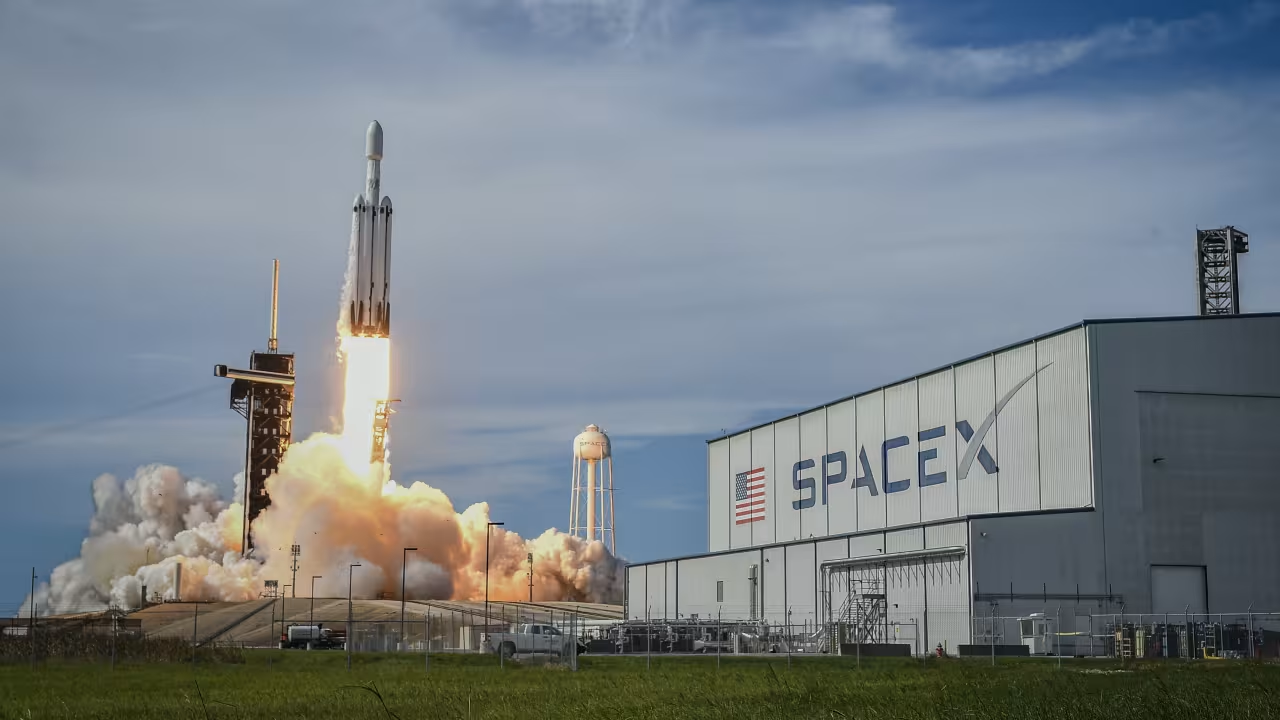
The explosion of data center requirements has led tech leaders to explore novel infrastructure options. This includes SpaceX testing orbiting AI compute satellites to resolve energy constraints on Earth.Enterprise Integration: The focus has turned entirely to building deep consumer context and zero-friction ecosystems. Companies that seamlessly stitch AI into existing corporate architectures are capturing the highest market returns.