
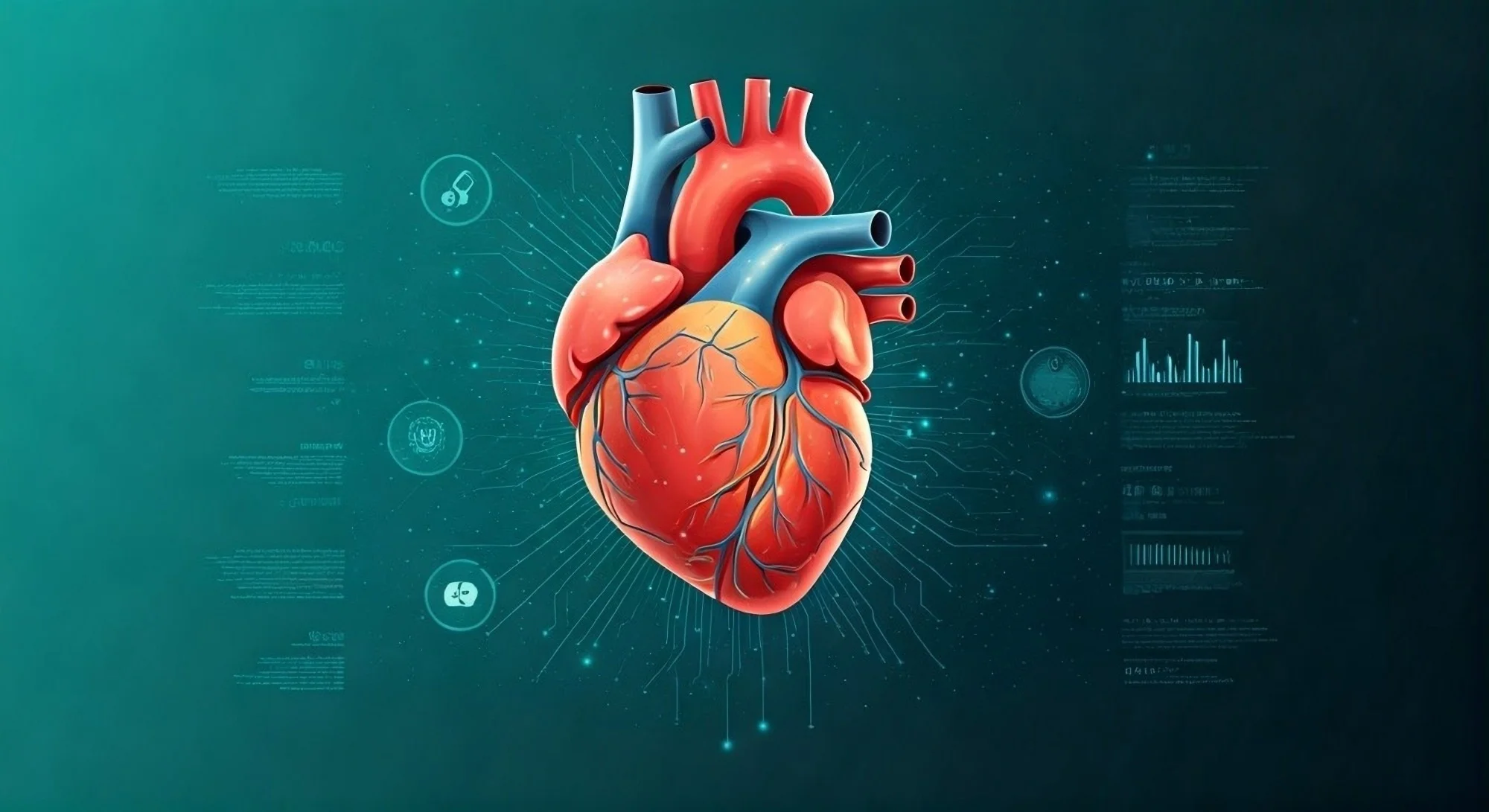
A groundbreaking artificial intelligence system developed by medical researchers can identify early signs of heart disease years before patients experience symptoms, raising hopes for earlier diagnosis and treatment.
The AI model analyzes routine medical scans and health records to detect subtle changes in blood vessels and heart tissues that may be invisible to the human eye.
During clinical testing, the system demonstrated a remarkable ability to predict future cardiovascular problems, including heart attacks and strokes, allowing doctors to intervene before serious complications develop.
Heart disease remains the leading cause of death globally, claiming millions of lives each year. Researchers say earlier detection could dramatically improve survival rates and reduce healthcare costs.
Medical experts believe the technology could eventually become a standard tool in hospitals and clinics, helping physicians identify high-risk patients and develop personalized treatment plans.
While further testing is required before widespread adoption, scientists describe the breakthrough as one of the most promising applications of artificial intelligence in modern healthcare.
The development highlights the growing role of AI in medicine and its potential to transform disease prevention, diagnosis, and patient care worldwide.