
Jerusalem – Tensions in the Middle East have surged after Iran launched multiple waves of missiles toward Israel, marking its first direct attack since a ceasefire was agreed in April. The strike has raised fears of a renewed regional conflict and prompted urgent diplomatic efforts to prevent further escalation.
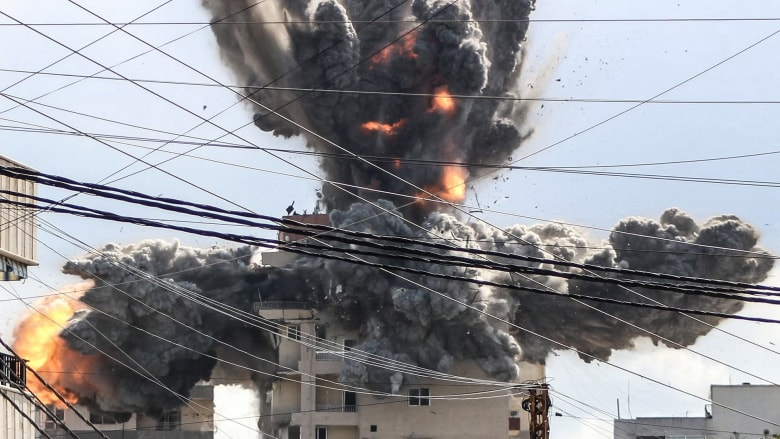
Israeli authorities said air defense systems intercepted the incoming missiles, with sirens sounding across several areas of the country. While the attack caused widespread alarm, Israeli officials reported that most of the missiles were either intercepted or landed in open areas.
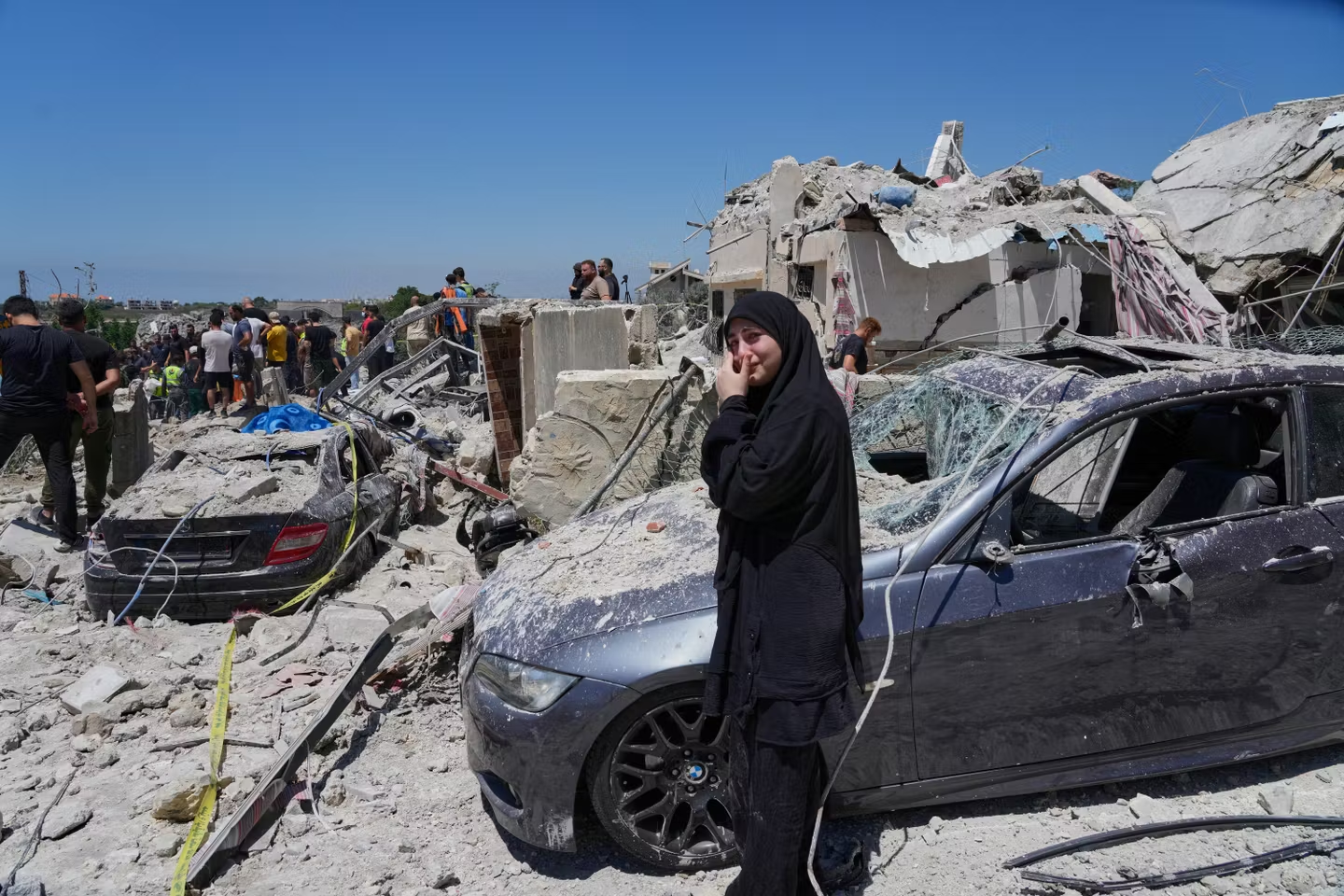
The missile barrage came shortly after Israeli airstrikes targeted Hezbollah-linked positions in Beirut’s southern suburbs. Iranian officials described the attack as a response to what they called Israeli aggression in Lebanon and warned that any further military action could trigger broader retaliation.
U.S. President Donald Trump reportedly held discussions with Israeli Prime Minister Benjamin Netanyahu following the attack and urged restraint. Trump called on Iran to return to negotiations, reportedly telling Tehran that it was time to “get back to the table” rather than continue military escalation. He also advised Israel against launching an immediate retaliatory strike, warning that further conflict could undermine ongoing diplomatic efforts.
Israeli military leaders have vowed to respond if necessary, while Iran’s Revolutionary Guard warned that future attacks could be met with even stronger action. The developments have heightened concerns among world leaders, with several countries closely monitoring the situation and calling for de-escalation.
The latest exchange represents the most serious test of the fragile ceasefire established earlier this year and threatens to derail ongoing negotiations aimed at preventing a wider regional war.
NewsNest Ghana will continue to monitor developments as world leaders push for calm amid growing tensions in the Middle East.