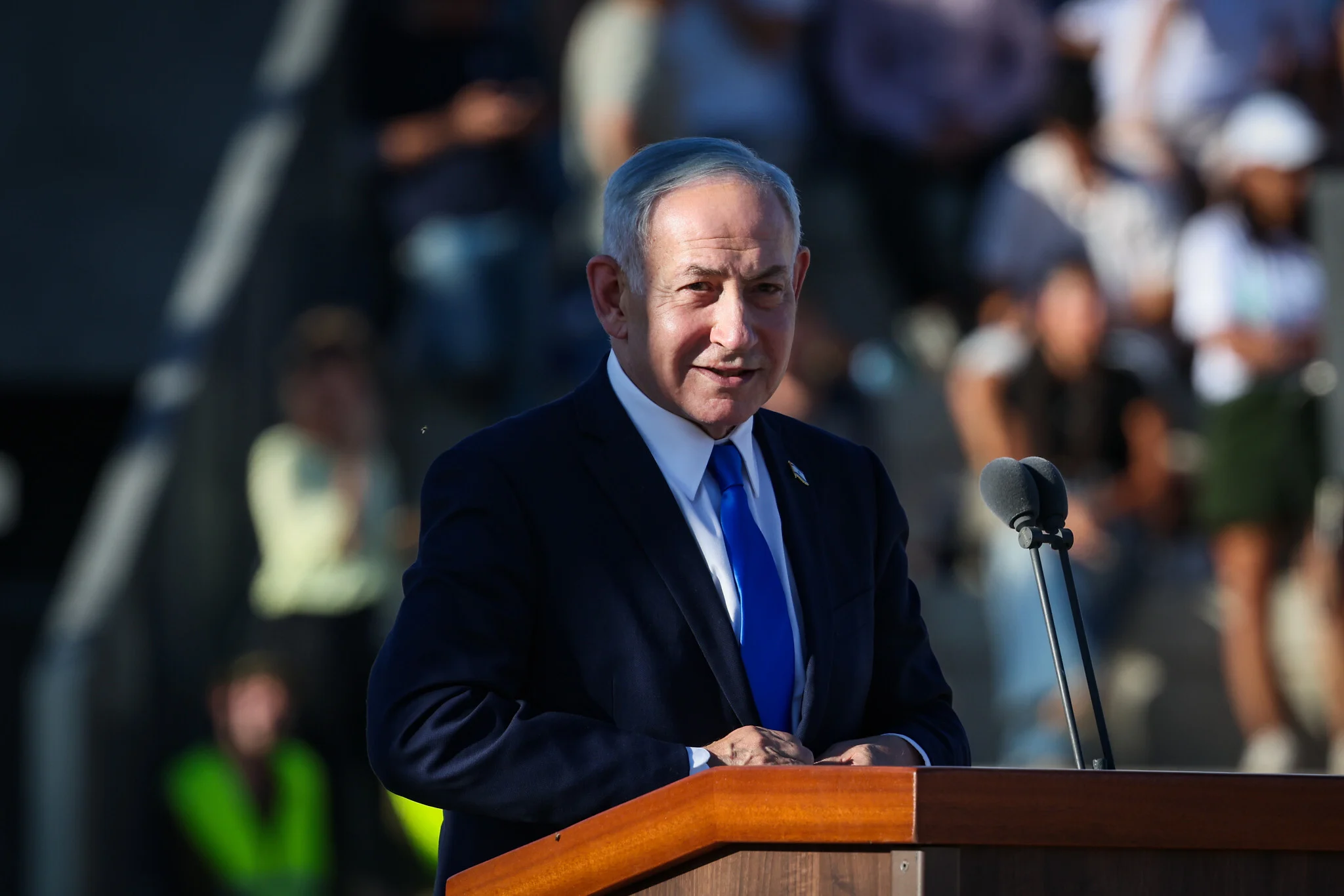

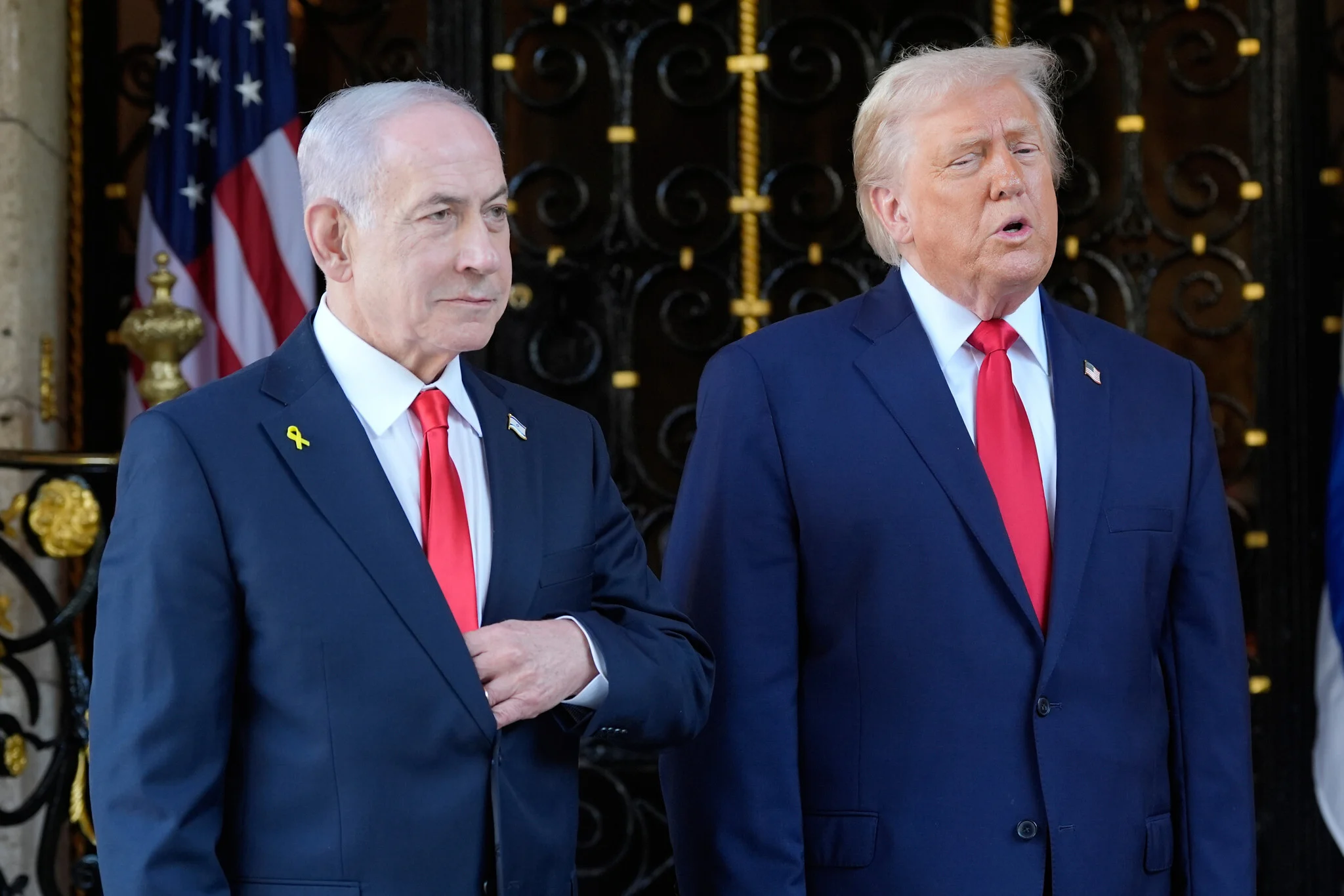
U.S. President Donald Trump has delivered some of his sharpest public remarks yet about Israeli Prime Minister Benjamin Netanyahu, describing him as “a very difficult guy” while defending ongoing efforts to secure a peace agreement with Iran.
Speaking amid growing debate over the emerging U.S.-Iran accord, Trump suggested that Israel should appreciate Washington’s role in preventing Iran from acquiring nuclear weapons.
“He’s a very difficult guy,” Trump said of Netanyahu. “He should be very thankful to us… because if Iran had a nuclear weapon, Israel wouldn’t be around.”
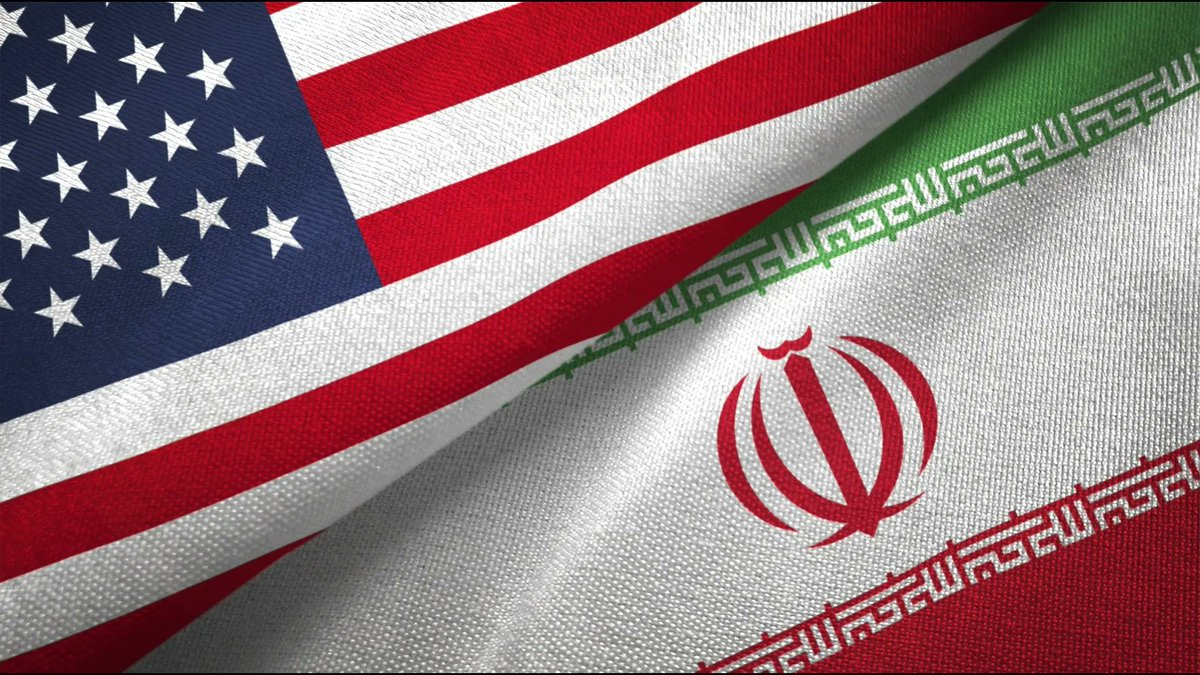
The comments come at a delicate moment in Middle East diplomacy as the United States and Iran move toward a formal agreement aimed at ending months of conflict and reducing tensions across the region. According to reports, a signing ceremony is expected to take place in Switzerland later this week following negotiations mediated by Pakistan.
Trump has repeatedly argued that preventing Iran from obtaining a nuclear weapon remains the central objective of his administration’s Middle East strategy. The White House has consistently maintained that Iran must never be allowed to develop nuclear weapons, describing the issue as a matter of global security.
The President’s criticism of Netanyahu reportedly follows disagreements over recent Israeli military actions that some observers feared could jeopardize ongoing diplomatic efforts. Trump has expressed frustration that regional escalations could undermine negotiations at a crucial stage.
Despite the tensions, Trump has continued to insist that the proposed agreement would ultimately strengthen Israel’s security by placing restrictions on Iran’s nuclear ambitions and reducing the risk of a broader regional conflict.
The developing peace framework reportedly includes provisions for a ceasefire, the reopening of the Strait of Hormuz, and further negotiations on Iran’s nuclear program during a transitional period. However, several details remain unresolved, and questions persist regarding implementation and long-term enforcement mechanisms.
Trump’s remarks have sparked intense reactions from political leaders, analysts, and supporters of both Israel and Iran, highlighting the continuing divisions over how best to ensure stability in the Middle East.
As the expected signing date approaches, global attention remains fixed on whether the agreement can survive political opposition and deliver a lasting reduction in regional tensions.