
A massive international humanitarian operation is underway in Venezuela as countries from across the Americas, Europe, Asia, and the Middle East continue to deploy rescue teams, medical personnel, emergency supplies, and financial assistance following the devastating earthquakes that struck the country earlier this week.
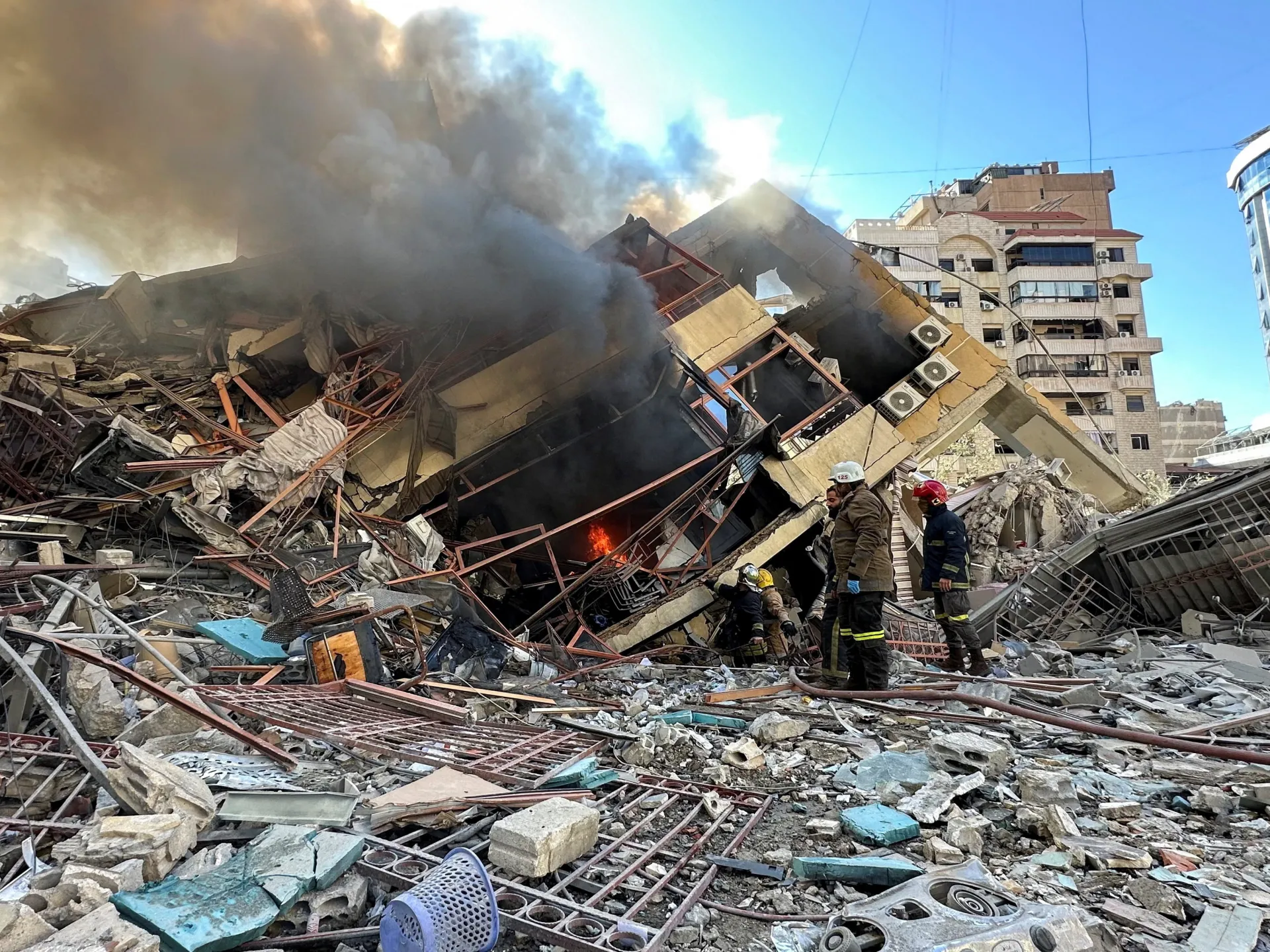
The powerful twin earthquakes left widespread destruction across several regions, flattening homes, damaging critical infrastructure, and leaving thousands of people trapped beneath collapsed buildings. Rescue workers continue to race against time in search of survivors as the humanitarian crisis deepens.
According to international relief agencies, the disaster has claimed more than 1,400 lives, injured thousands of people, displaced entire communities, and left tens of thousands still unaccounted for. Search-and-rescue operations remain active despite growing concerns that the window for finding survivors is rapidly closing.
International Community Mobilises
In one of the largest international disaster responses in recent years, numerous countries have responded to Venezuela’s appeal for assistance.
Neighbouring Latin American countries including Brazil, Colombia, Mexico, Ecuador, Panama, El Salvador, Cuba, and the Dominican Republic have dispatched rescue specialists, emergency medical teams, heavy equipment, sniffer dogs, and humanitarian supplies to support ongoing operations.
The European Union activated its Civil Protection Mechanism, enabling eight member states—including France, Germany, Spain, Italy, Portugal, the Netherlands, Luxembourg, and Czechia—to send hundreds of emergency responders, firefighters, engineers, and medical professionals to the affected areas. The EU has also committed millions of euros in emergency funding while deploying its Copernicus satellite system to assist with damage assessment and rescue coordination.
Other nations including Turkey, Israel, Iran, India, Switzerland, and the United States have also contributed humanitarian assistance ranging from field hospitals and rescue aircraft to medical equipment, financial aid, and specialized urban search-and-rescue teams.
Lives Still Being Saved
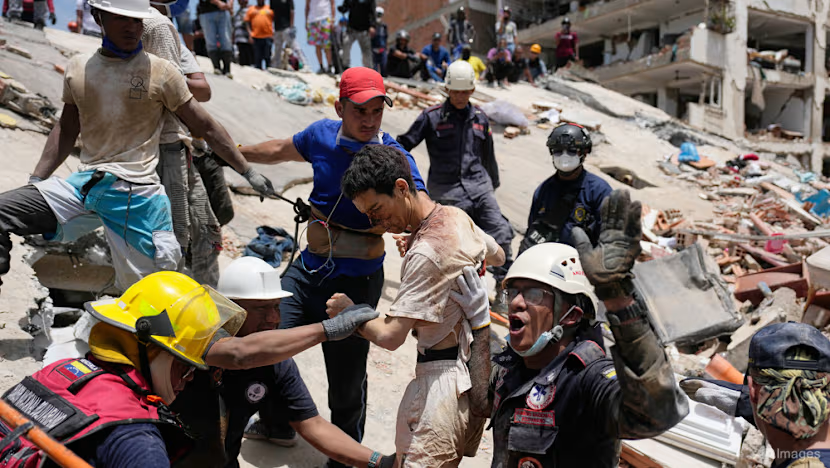
Despite the scale of destruction, rescue teams continue to discover survivors beneath the rubble, offering moments of hope amid the tragedy.
In one of the most emotional rescues so far, international rescue personnel successfully pulled a father and his young son alive after they spent four days trapped beneath a collapsed building. Rescue officials described the operation as one of the most challenging yet successful missions since the disaster struck.
Another remarkable rescue saw emergency workers save a mother and her nine-month-old baby from the ruins of a collapsed apartment building, while doctors also assisted a pregnant woman who gave birth shortly after being rescued from debris. These stories have become powerful symbols of resilience as humanitarian workers continue their difficult mission.
Humanitarian Organizations Join Response
International organizations including the United Nations, the International Federation of Red Cross and Red Crescent Societies (IFRC), the World Food Program, Caritas, and World Central Kitchen have launched large-scale relief operations.
Thousands of tones of food, clean water, temporary shelters, medicines, hygiene kits, blankets, and emergency medical supplies are being distributed to displaced families as humanitarian agencies work to prevent secondary crises such as disease outbreaks and food shortages.
Religious leaders have also expressed solidarity with the Venezuelan people. Pope Leo XIV offered prayers for victims and announced a financial contribution from the Vatican’s humanitarian fund to support ongoing relief efforts.
Long Road to Recovery
Disaster experts warn that Venezuela now faces an enormous reconstruction effort that could take years. Entire neighborhoods have been destroyed, transportation networks severely damaged, and hospitals overwhelmed by the number of casualties.
While rescue operations remain the immediate priority, governments and international development agencies are already discussing long-term reconstruction programmes that will focus on rebuilding homes, schools, hospitals, roads, electricity infrastructure, and public services.
Officials say the global response demonstrates the importance of international solidarity during humanitarian emergencies. As rescue workers continue searching through collapsed buildings, millions around the world remain hopeful that more survivors will be found and that coordinated international support will help Venezuela recover from one of the deadliest natural disasters in its modern history.