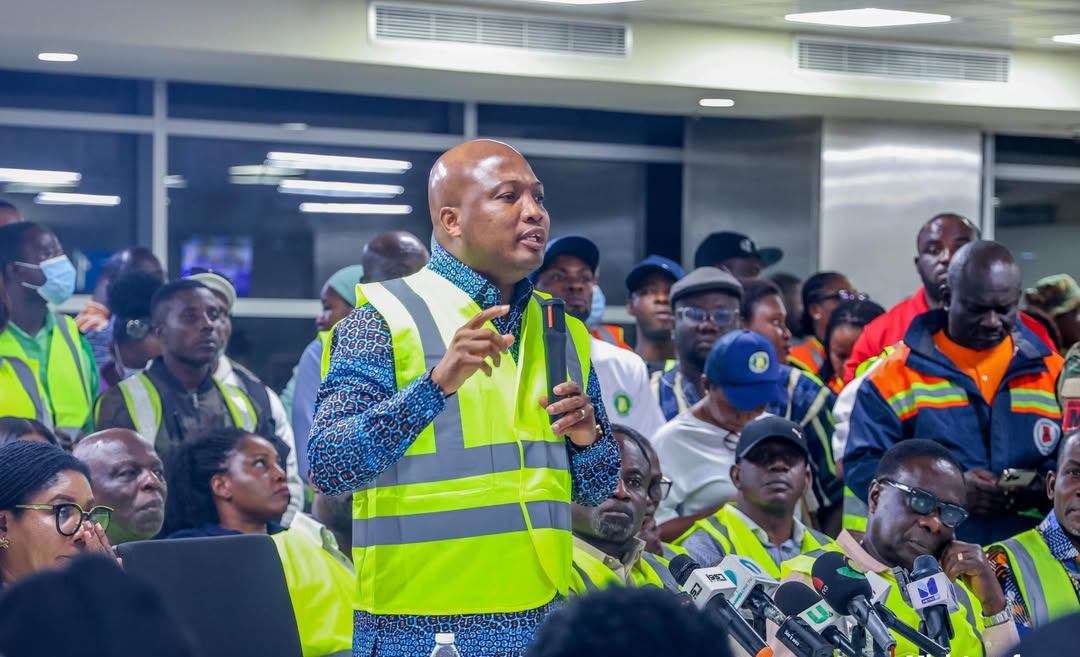

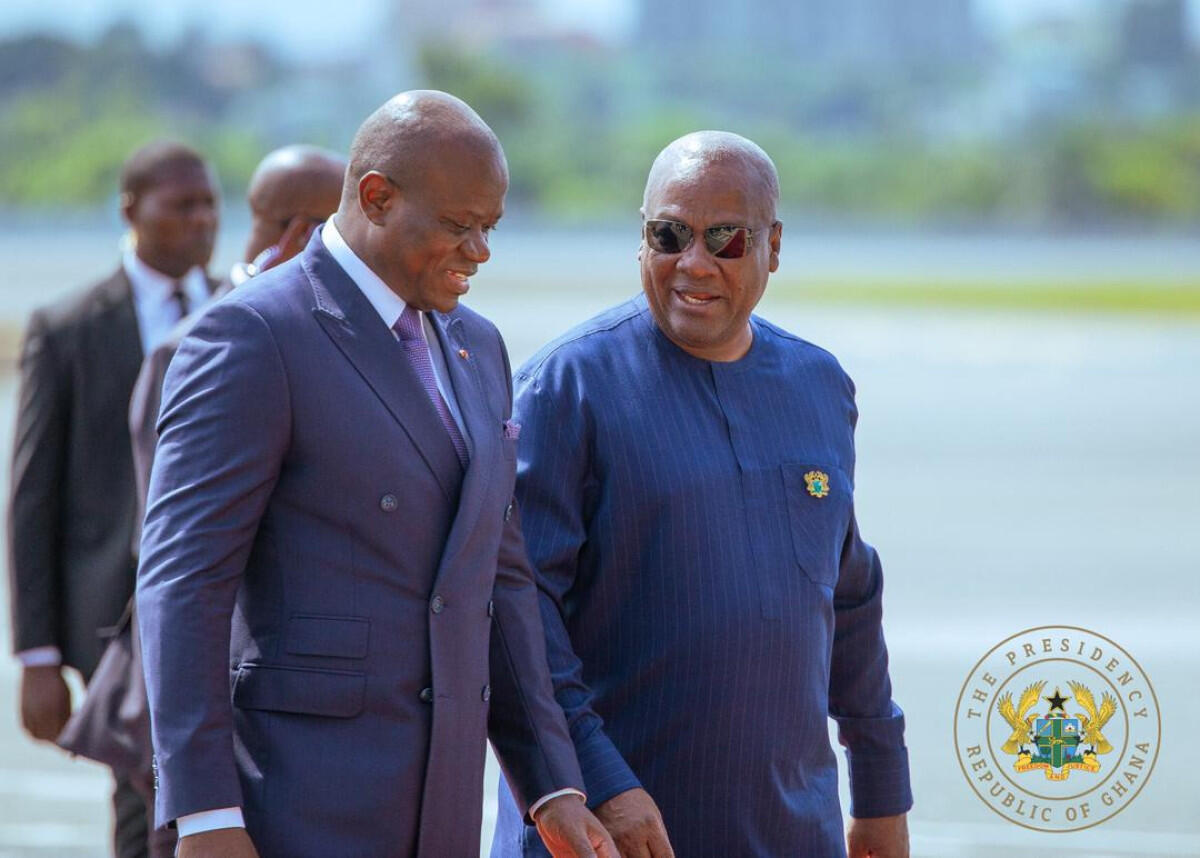
President John Dramani Mahama has arrived at the Next Steps Conference on Reparatory Justice in Accra, joining fellow heads of state, diplomats, scholars, and international dignitaries for crucial discussions on advancing the global reparations agenda.
The conference comes at a significant moment in the international conversation on historical justice, following the recent adoption of a landmark United Nations resolution recognizing the Transatlantic Slave Trade and enslavement of Africans as grave crimes against humanity.
The gathering is expected to focus on practical measures for addressing the enduring consequences of slavery, colonialism, and other historical injustices, while exploring pathways toward reparative justice, accountability, and reconciliation.
President Mahama’s participation underscores Ghana’s growing leadership role in global efforts to seek recognition and redress for the lasting impact of the transatlantic slave trade on African nations and peoples of African descent around the world.
Delegates attending the conference are expected to engage in high-level consultations on a range of issues, including economic restitution, educational initiatives, cultural restoration, institutional reforms, and strategies for strengthening partnerships between Africa and the African diaspora.
The discussions also seek to build momentum following the UN resolution by translating international recognition into concrete actions that address historical inequalities and their contemporary effects.
Observers say the conference represents an important opportunity for African leaders, policymakers, and international stakeholders to shape a coordinated approach to reparatory justice and ensure that the issue remains a priority on the global agenda.
In recent years, calls for reparations have gained increasing support from governments, civil society organizations, academics, and advocacy groups, who argue that the legacy of slavery continues to influence economic development, social structures, and global inequalities.
As host of the conference, Ghana has positioned itself at the forefront of efforts to promote dialogue on historical accountability and strengthen connections with descendants of enslaved Africans worldwide.
The outcomes of the conference are expected to contribute to ongoing international debates on justice, human rights, and the responsibility of nations and institutions to address the consequences of historical wrongs.
With world leaders and influential stakeholders gathered in Accra, the Next Steps Conference is being viewed as a potentially significant milestone in the global movement for reparatory justice and historical recognition.