
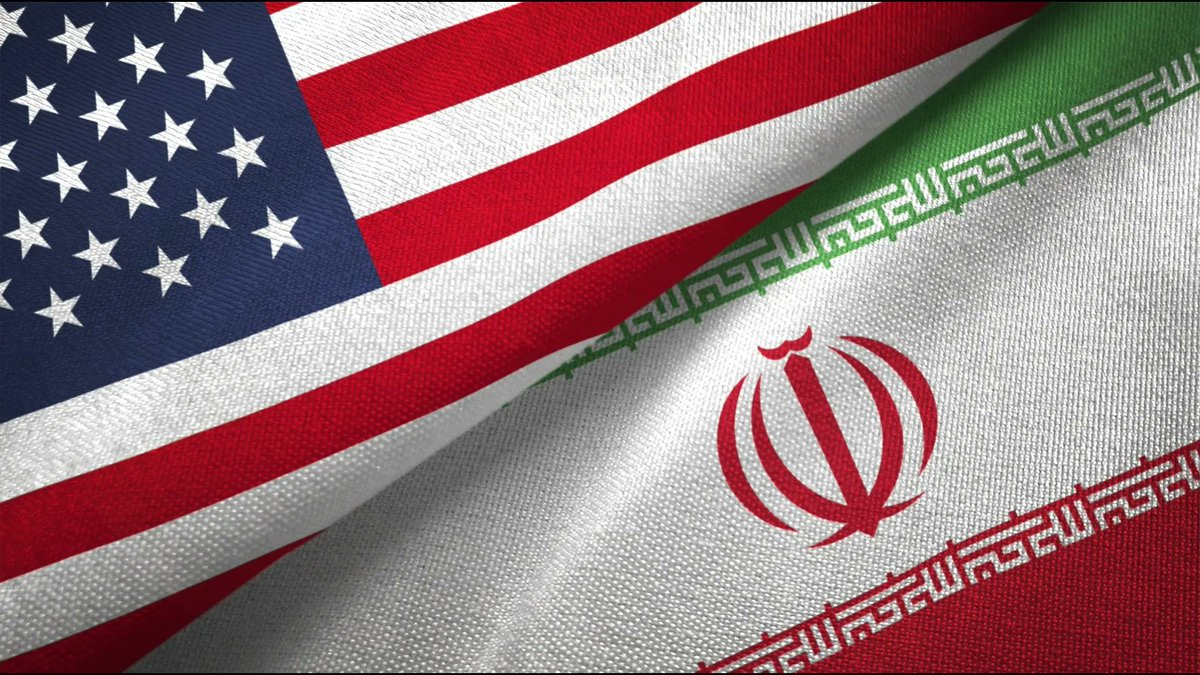
Iran has reportedly postponed a planned trip to Switzerland for high-level negotiations with the United States, citing the ongoing Israeli military operations in Lebanon as a key factor behind the decision.
According to reports, members of the Iranian negotiating delegation were scheduled to travel to Switzerland for discussions aimed at advancing diplomatic engagement between Tehran and Washington. However, the visit has been delayed amid rising tensions in the Middle East and continued Israeli strikes targeting areas in Lebanon.
Iranian officials are said to have expressed concern over the deteriorating security situation in the region, arguing that the ongoing military actions complicate efforts to move forward with sensitive diplomatic talks.
The postponement represents a potential setback for efforts to sustain momentum toward a broader understanding between the United States and Iran on a range of regional and security issues. Observers note that recent diplomatic progress had raised hopes of reduced tensions following months of negotiations and indirect contacts between the two countries.
Tehran has repeatedly condemned Israeli military operations in Lebanon, accusing Israel of undermining regional stability and increasing the risk of a wider conflict. Iranian leaders have also called on the international community to take steps to prevent further escalation.
Meanwhile, Israeli officials maintain that their military actions are necessary to address security threats and target armed groups operating near Israel’s northern border. The continued exchange of accusations has further heightened tensions across the region.
Diplomatic analysts say the delay highlights the fragile nature of ongoing negotiations, which remain vulnerable to developments on the ground. They warn that any significant escalation in Lebanon could complicate diplomatic efforts involving not only Iran and the United States but also other regional stakeholders.
The Switzerland talks were expected to focus on a range of issues, including regional security, sanctions-related concerns, and mechanisms for reducing tensions between the two longtime adversaries.
While neither side has indicated that negotiations have been cancelled altogether, the postponement introduces fresh uncertainty over the timeline for future discussions. Diplomats involved in the process are expected to continue consultations in an effort to identify a new date for the talks.
The latest development underscores the close link between regional conflicts and international diplomacy, with events in Lebanon now having a direct impact on broader efforts to promote dialogue and stability in the Middle East.
As fighting continues and diplomatic channels remain active, international observers will be watching closely to see whether the talks can be rescheduled and whether recent progress toward de-escalation can be preserved.