

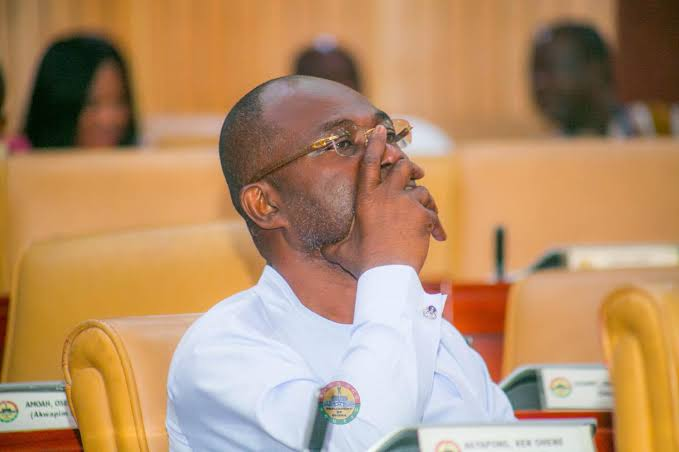
Calls are mounting for President John Dramani Mahama and relevant state institutions to investigate allegations involving a purported US$58 million kickback claim linked to former Assin Central Member of Parliament and New Patriotic Party (NPP) presidential aspirant, Kennedy Agyapong.
The demands follow renewed public debate over allegations circulating in political and media circles concerning the handling of public contracts and financial transactions during previous administrations.
Civil society groups, political commentators, and some members of the public have argued that the allegations, if substantiated, warrant a thorough and independent investigation in the interest of transparency and accountability.
Advocates for a probe contend that public confidence in governance is strengthened when allegations involving high-profile political figures are subjected to due process and proper scrutiny by state institutions.
They have urged authorities, including anti-corruption agencies and investigative bodies, to establish the facts and provide clarity to the Ghanaian public.
Supporters of Kennedy Agyapong, however, have rejected the allegations and called for caution, arguing that claims circulating in the public domain must not be treated as established facts without credible evidence or formal findings by competent authorities.
They insist that any investigation should be conducted fairly and professionally, without political interference or prejudice.
Political analysts say the controversy has added a new dimension to ongoing discussions about accountability, governance, and anti-corruption efforts in Ghana’s political landscape.
As of now, no court ruling or publicly available official investigative report has confirmed the allegations. Observers therefore continue to stress the importance of due process and evidence-based investigations.
The development comes at a time when public expectations for transparency and accountability remain high, with many Ghanaians calling for stronger oversight of public finances and government contracts.
Attention now turns to whether any state institution will formally examine the claims and determine whether further action is warranted.