
Education policy think tank Africa Education Watch (Eduwatch) has called on government to review the current District Assemblies Common Fund (DACF) allocation formula, arguing that it does not adequately support the growing financial needs of Ghana’s education sector at the local level.
Speaking during the presentation of the organisation’s latest education financing assessment, Eduwatch officials said district assemblies continue to struggle with insufficient resources to maintain school infrastructure, construct new classroom blocks, provide teaching and learning materials, and support basic education programmes.
According to the organisation, several districts, particularly in rural communities, face widening infrastructure deficits despite increased school enrolment under government education policies. Eduwatch believes revising the DACF formula would enable local assemblies to dedicate more resources to improving educational facilities and expanding access to quality education.
The think tank also recommended introducing a transparent monitoring mechanism to ensure that funds allocated for education are used efficiently and reach their intended beneficiaries. It argued that stronger accountability systems would improve public confidence in local government spending.
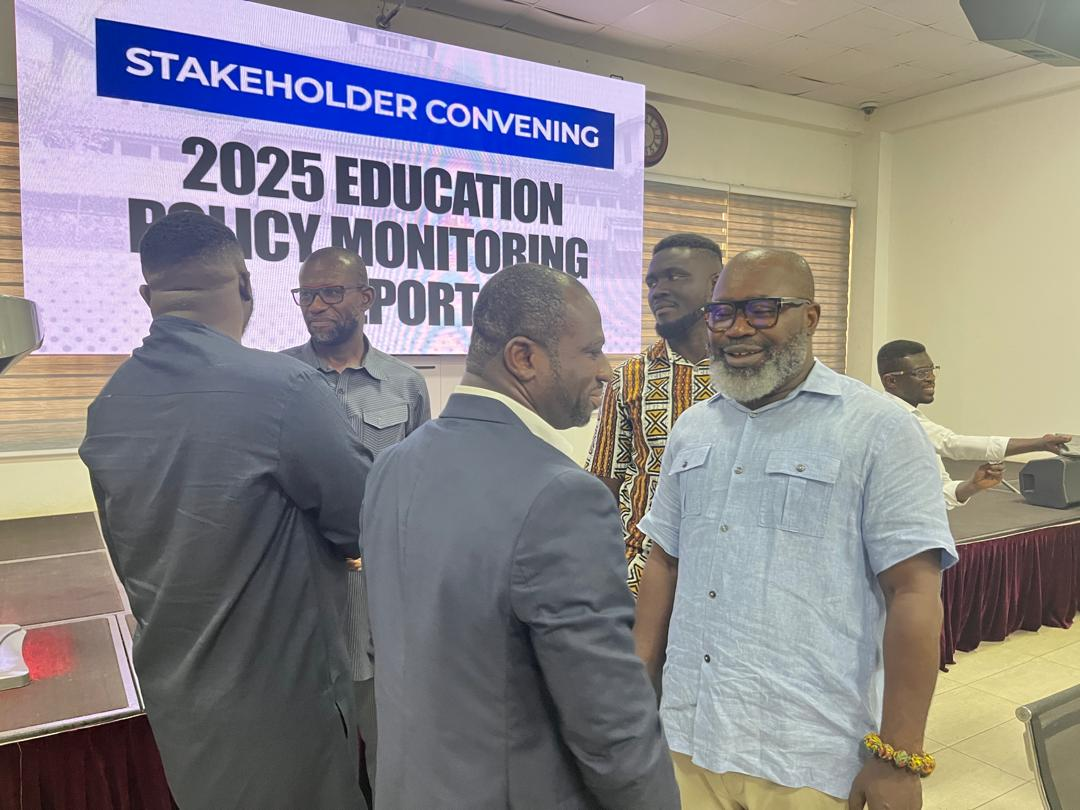
Education stakeholders attending the event agreed that greater investment at the district level is necessary to reduce overcrowded classrooms, improve sanitation facilities, provide furniture, and enhance the learning environment for pupils across the country.
Eduwatch further urged policymakers to align future funding decisions with Ghana’s long-term education development goals, noting that sustained investment in basic education remains essential for national development and human capital growth.
The organisation expressed optimism that a review of the DACF allocation framework would empower local assemblies to play a more effective role in addressing educational challenges while improving learning outcomes nationwide.