
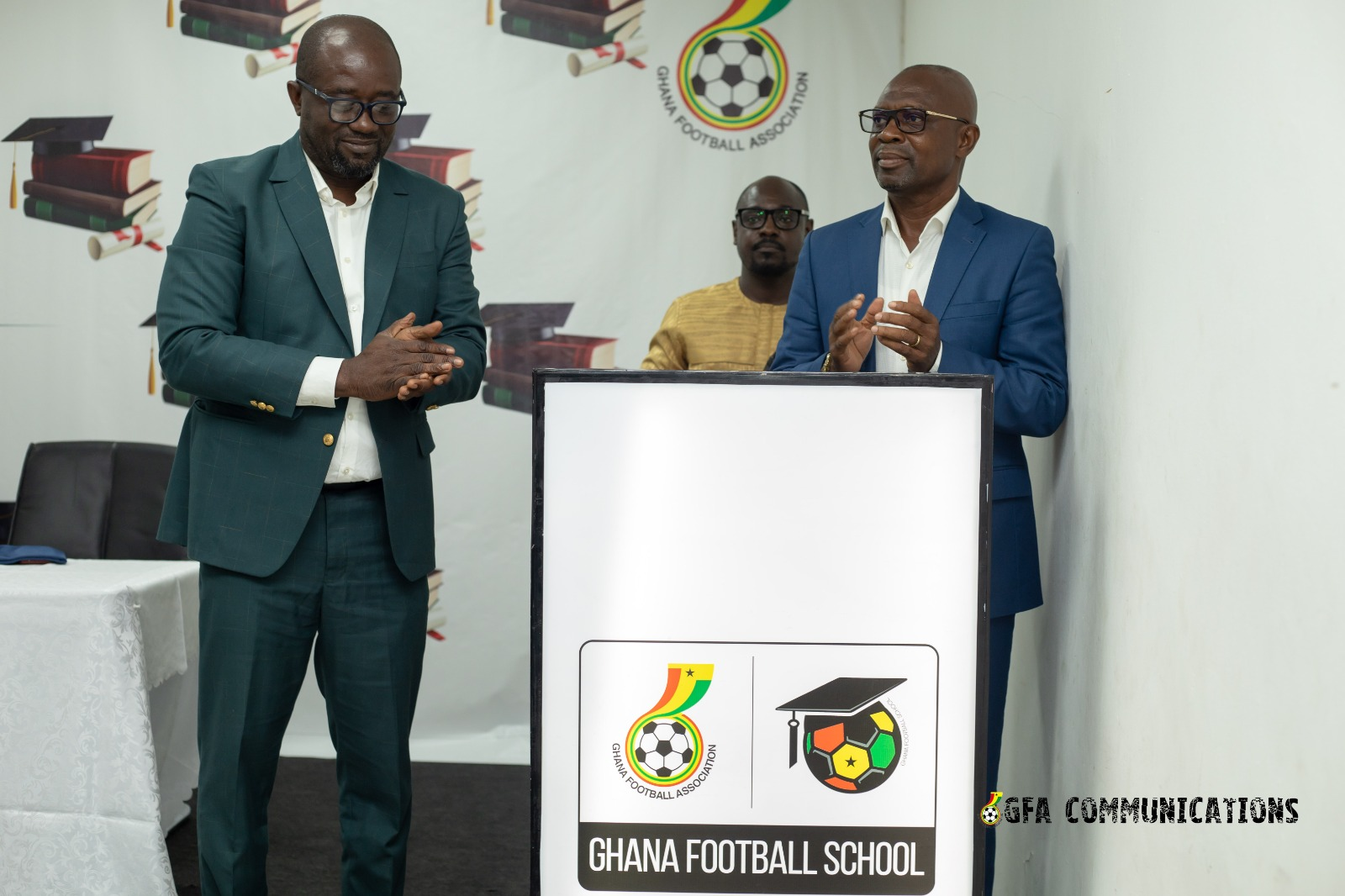
The Ghana Football Association (GFA) has strongly denied allegations circulating on social media that it demands money from players in exchange for call-ups to the national teams, describing the claims as “false and malicious” and warning that legal action will be taken against those responsible for spreading them.
The controversy stems from claims allegedly made by a purported relative of Prince Owusu, a Black Stars forward, who suggested that the player had been asked to surrender a percentage of his expected earnings from Ghana’s participation in the 2026 FIFA World Cup in exchange for his inclusion in the squad. The allegations quickly gained traction online following Ghana’s elimination from the tournament.
In a statement, the GFA categorically rejected the accusations, insisting that no official of the Association requests, solicits, or accepts money from players for selection into any of Ghana’s national teams.
“We categorically and unequivocally deny these claims in their entirety. These reports are completely fabricated and intended to tarnish the image of the GFA and Ghanaian football,” the Association stated.
Player Selection Solely the Coach’s Responsibility
The Association clarified that the selection of players is the exclusive responsibility of the respective head coaches and not the GFA’s leadership or any individual official.
According to the GFA, decisions regarding national team call-ups are based solely on the technical judgment of coaches, with no interference from administrators or members of the Association.
Ministry Handles Player Payments
The GFA also dismissed suggestions that it controls financial payments to players.
It explained that all appearance fees, winning bonuses and other financial entitlements are processed directly by the Ministry of Sports and Recreation and paid into players’ individual bank accounts without passing through the Association.
The clarification, the GFA said, demonstrates that there is no opportunity for officials to demand or deduct money from players’ earnings.
GFA Challenges Accusers to Produce Evidence
The Association challenged those making the allegations to publicly identify the officials allegedly involved and provide concrete evidence to support their claims.
According to the statement, anyone asserting that money was demanded should disclose who requested it, the amount involved, when the alleged request was made, and the purpose for which the payment was sought.
The GFA stressed that anonymous accusations without evidence only serve to damage the reputation of Ghanaian football and mislead the public.
Zero Tolerance for Corruption
The Association reiterated that both FIFA’s Code of Ethics and the GFA’s own governance regulations strictly prohibit bribery, extortion and all forms of financial misconduct.
It noted that any official found engaging in such conduct would face severe disciplinary sanctions, including bans from football activities and possible criminal prosecution.
The GFA maintained that it remains committed to operating with transparency, accountability and integrity in all aspects of football administration.
Legal Action Imminent
The Association revealed that its legal team has begun reviewing the allegations and confirmed that legal proceedings will be initiated against individuals and media platforms responsible for publishing what it describes as defamatory content.
It also urged football fans and the general public to rely only on official communications from the GFA and the Ministry of Sports and Recreation, warning against the spread of misinformation, particularly in the aftermath of the Black Stars’ World Cup campaign.
The GFA concluded by reaffirming its commitment to protecting the integrity of Ghanaian football while pursuing legal remedies against those it believes have sought to damage its reputation through unfounded allegations.