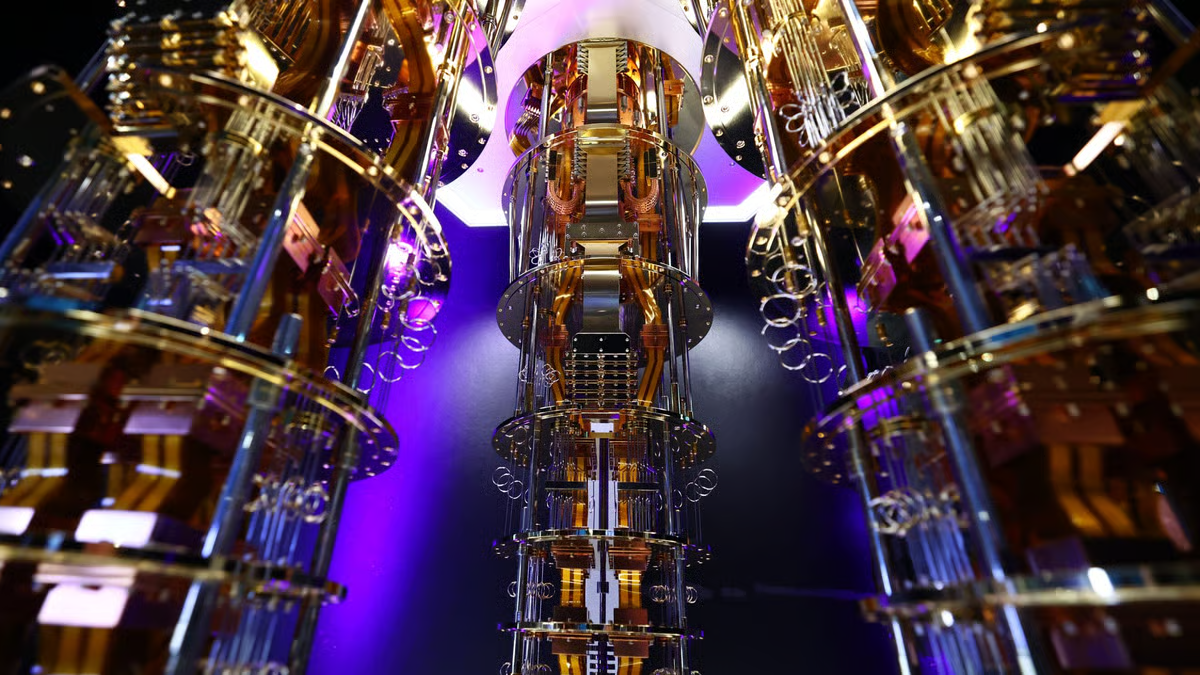


The convergence of artificial intelligence and quantum computing has reached a critical tipping point, transitioning from a theoretical laboratory race into a high-stakes commercial sprint. Rapid hardware breakthroughs, government-backed multi-billion dollar programs, and AI-accelerated chip designs have significantly compressed the expected timelines for practical quantum supremacy.
The global race to build practical quantum computers has intensified, with major technology companies unveiling new innovations that could transform computing over the next decade.
Microsoft recently announced its new Majorana 2 quantum chip, developed with assistance from artificial intelligence. The company says the breakthrough brings it closer to delivering commercially useful quantum computing systems by 2029, a timeline that places it alongside industry rival IBM in the race for quantum supremacy.
Experts believe quantum computers could revolutionize fields such as medicine, cybersecurity, climate modeling, and scientific research by solving complex problems that traditional computers would take thousands of years to process.
The acceleration of Quantum AI has simultaneously triggered an urgent cybersecurity crisis. Because quantum processors excel at calculating complex mathematical equations instantly, they pose an imminent threat to the cryptographic locks (like RSA encryption) securing global banking, government data, and online communication.
Recent research papers published by Google and quantum startup Oratomic indicate that quantum computers capable of shattering modern internet security protocols will arrive much sooner than initial projections anticipated. In response, top-tier infrastructure networks like Cloudflare have aggressively moved their quantum-readiness deadlines up to 2029.