

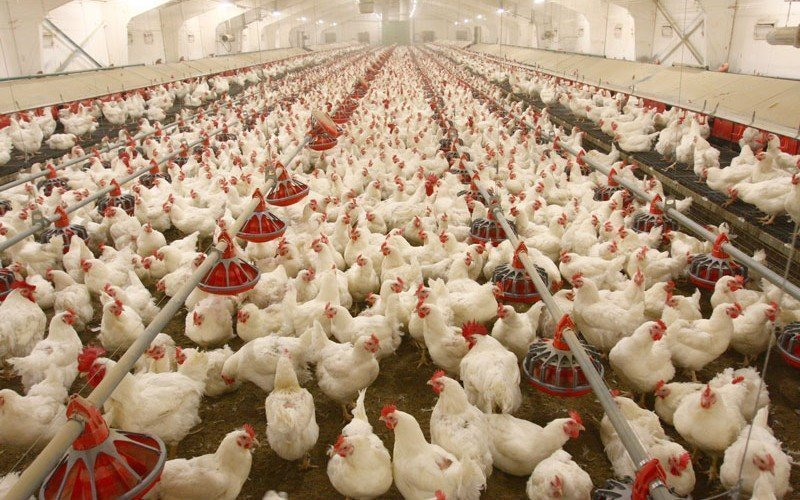
The Government of Ghana has announced the distribution of approximately 1.7 million poultry birds to farmers across the country under its flagship Nkoko Nkitinkiti Programme, a major agricultural initiative aimed at boosting local poultry production, creating jobs, and reducing the nation’s dependence on imported poultry products.
The update was presented in Parliament as part of government’s efforts to strengthen food security and support the growth of Ghana’s agricultural sector. Officials indicated that the programme has reached thousands of poultry farmers nationwide, providing them with birds and other forms of support to expand their operations.
According to the government, the initiative forms part of a broader strategy to revitalize Ghana’s poultry industry, which has faced challenges including high production costs, limited access to financing, and competition from imported frozen chicken products.
Authorities believe the distribution of 1.7 million birds will help increase domestic poultry output, improve the livelihoods of farmers, and create employment opportunities along the poultry value chain, including feed production, transportation, processing, and marketing.
The Nkoko Nkitinkiti Programme was launched to encourage more Ghanaians, particularly young people and women, to venture into poultry farming as a sustainable source of income. Beneficiaries are expected to receive technical support and training to ensure the successful management of their poultry businesses.
Agriculture experts have welcomed the programme, noting that increasing local poultry production could help reduce Ghana’s poultry import bill, retain more foreign exchange within the economy, and enhance national food security.
Government officials have reiterated their commitment to supporting the agricultural sector through targeted interventions, emphasizing that agriculture remains a key pillar of economic growth and rural development.
The latest figures highlight the scale of the programme and underscore efforts to make Ghana more self-sufficient in poultry production while promoting agribusiness development across the country.
As implementation continues, stakeholders will be closely monitoring the programme’s impact on poultry production levels, market prices, and employment generation within the agricultural sector.