

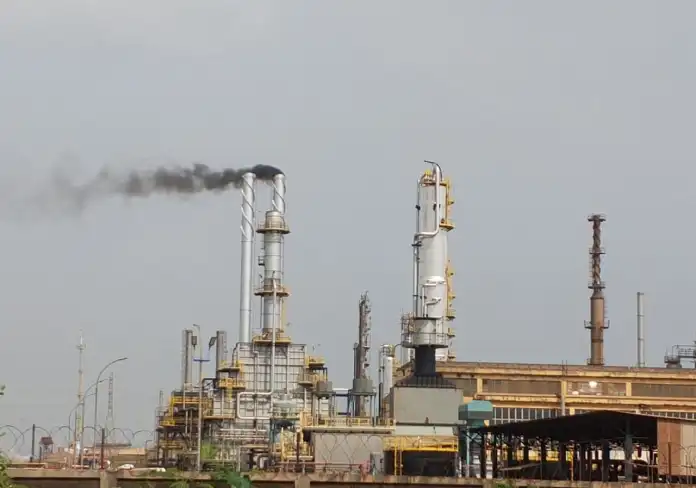
The Tema Oil Refinery (TOR) has announced a remarkable financial turnaround, posting an estimated profit of approximately US$1.09 billion for the 2025 financial year, marking one of the strongest performances in the refinery’s history.
The achievement represents a dramatic reversal of fortunes for Ghana’s only state-owned refinery, which has faced years of financial difficulties, operational setbacks, mounting debt, and periods of inactivity.
According to management, the impressive financial performance follows an extensive restructuring program aimed at restoring operational efficiency, improving corporate governance, and increasing refining capacity. The refinery has also benefited from stronger cost management measures, improved procurement systems, and enhanced production planning.
Industry observers say the turnaround is expected to strengthen Ghana’s energy security by reducing dependence on imported refined petroleum products while supporting the government’s broader strategy of revitalizing the country’s downstream petroleum sector.
Officials noted that increased refinery operations have contributed to greater fuel availability for the domestic market, while positioning TOR to play a more competitive role within the West African petroleum industry.
The refinery’s improved performance is also expected to generate significant economic benefits through increased government revenue, job creation, and greater confidence among investors interested in Ghana’s energy sector.
Energy analysts have described the reported profit as a major milestone, arguing that sustained operational discipline and continued investment in modernization will be essential to maintaining the refinery’s competitiveness in the years ahead.
The development comes at a time when Ghana is pursuing broader reforms across the petroleum industry, including expanding domestic crude oil production, encouraging private investment in refining infrastructure, and strengthening the country’s position as a regional energy hub.
Experts believe a financially stable Tema Oil Refinery could significantly reduce the country’s import bill for refined petroleum products, improve foreign exchange savings, and support long-term industrial development.
Management has indicated that future priorities will include maintaining refinery reliability, upgrading critical infrastructure, improving environmental compliance, and expanding production capacity to meet growing domestic and regional demand.
The refinery’s return to profitability has been welcomed by stakeholders across Ghana’s energy sector, who view it as a strong signal that strategic reforms and prudent management can restore confidence in one of the country’s most important industrial assets.