


Cortisol, Stress, and Depression
The hormone cortisol has many jobs. For example, it helps manage your blood pressure and control your sleep cycle. But it’s perhaps best known as a stress hormone, spiking when you sense a threat. That’s normal. But chronic stress can keep your cortisol levels elevated, which, over time, boosts your risk of many health problems, including depression. Lowering your cortisol, on the other hand, could help improve your mood. Here’s how you can do that naturally.

Try Somatic Exercises
Regular exercise — think a brisk 30-minute walk or bike ride — can help keep your cortisol in check. Some types of exercise, though, may have more of a calming effect. Somatic exercises encourage you to focus on how your body feels in the present moment as you move. Yoga, tai chi, Pilates, and dance are just a few examples of somatic exercises. Somatic exercises, like other movement, do more than lower cortisol. They also release “happiness” hormones: serotonin, dopamine, oxytocin, and endorphins.

Spend Some Time Outside
When you need to relax, take a nature pill: a simple but effective prescription to spend time among trees or otherwise interacting with nature. Research shows that spending time outdoors surrounded by nature — walking, just sitting, or both — lowers your cortisol significantly. You’ll get the greatest benefits if you spend 20-30 minutes in a natural environment like a quiet park. But your cortisol will continue to drop the longer you stay in touch with the natural surroundings.

Optimize Your Diet
Cortisol boosts cravings for high-calorie, high-carb foods, slows your metabolism, and makes your body store fat: a recipe for weight gain. An eating plan like the Mediterranean diet can help you manage your cortisol. The key is to focus on nutritious, natural whole foods like vegetables, fruits, beans, nuts, and sources of healthy fats, including fish like tuna and salmon, avocado, seeds, and olive oil. Skip things that may contribute to stress and depression, like caffeine, alcohol, and foods with added sugar.
Try Deep Breathing
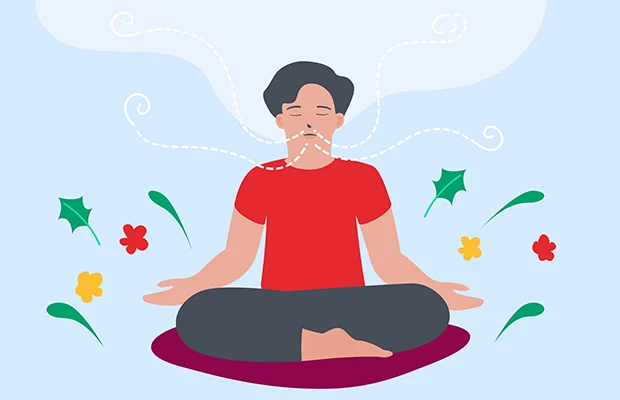
Taking long, deep, steady breaths while engaging your diaphragm can lower cortisol, ease stress, and potentially improve depression symptoms. Here’s how: Sit or lie down and breathe normally for about a minute, inhaling through your nose and exhaling through your mouth. Then, for a few minutes, repeat these steps: Inhale deeply, letting your belly expand for four seconds, hold for four seconds, and exhale slowly for four seconds, releasing tension. Regular practice makes it particularly calming. If you feel lightheaded, take shallower, shorter breaths.
Build and Keep Good Relationships
Feeling stressed? Phone a friend. Science shows that long-term loneliness raises your cortisol and other stress hormones. It’s also an ingredient for depression and anxiety. Staying connected with friends or making new friends can be both calming and mood-boosting. Some research shows that when women spend time with their friends and help each other solve problems, their cortisol drops. Your buddies also can help you weather hard times, boost your self-confidence and sense of belonging, and keep up healthy habits.

Practice Grounding Techniques
Grounding techniques focus on the present moment. Doing so can ease your stress as well as soothe feelings of depression. Many of them can be done anywhere, at any time you need them. For example, picture yourself in a calm and safe place, whatever that means to you. Is your mind racing with negative thoughts? Recite the alphabet to interrupt them. Stretch, do a few basic yoga poses, and turn on some music. These and more can tamp down your cortisol.
Don’t Underestimate Laughter
Watching a sitcom, sharing funny stories with friends, seeing a standup comedian — whatever makes you laugh can curb stress. In fact, one good belly laugh could cut your cortisol by nearly 40%. Laughter therapy, or laughter yoga, which combines laughing with deep breathing, stretching, and meditation, could be part of an effective depression treatment plan. Some experts recommend making humor a regular feature in your daily life.

Get Good Sleep
It’s a double vicious cycle: Both stress and depression can make it tough to sleep, and poor sleep can boost your cortisol and worsen depression. Try slow, gentle breathing for about five minutes. Another trick: progressive muscle relaxing. As you inhale, tense a muscle group, then relax it as you exhale. Starting with your head, face, and neck, and working down to your feet, target muscle groups one by one. Repeat if you need to. If sleep problems continue, see your doctor.

Experiment With Ways to Reduce Stress
Many things can help you lower cortisol and ease stress, but because everyone’s different, finding what works for you may take trial and error. Meditation, breathing exercises, and mindfulness can calm your mind and your racing heart. Don’t want to sit still? Take a walk, ride your bike, garden, or otherwise get moving. Physical activity lowers cortisol and improves mood. Yoga’s another exercise that helps you relax. You can also start a journal. Writing down your thoughts can help you let go of negative feelings.
Prioritize Movement
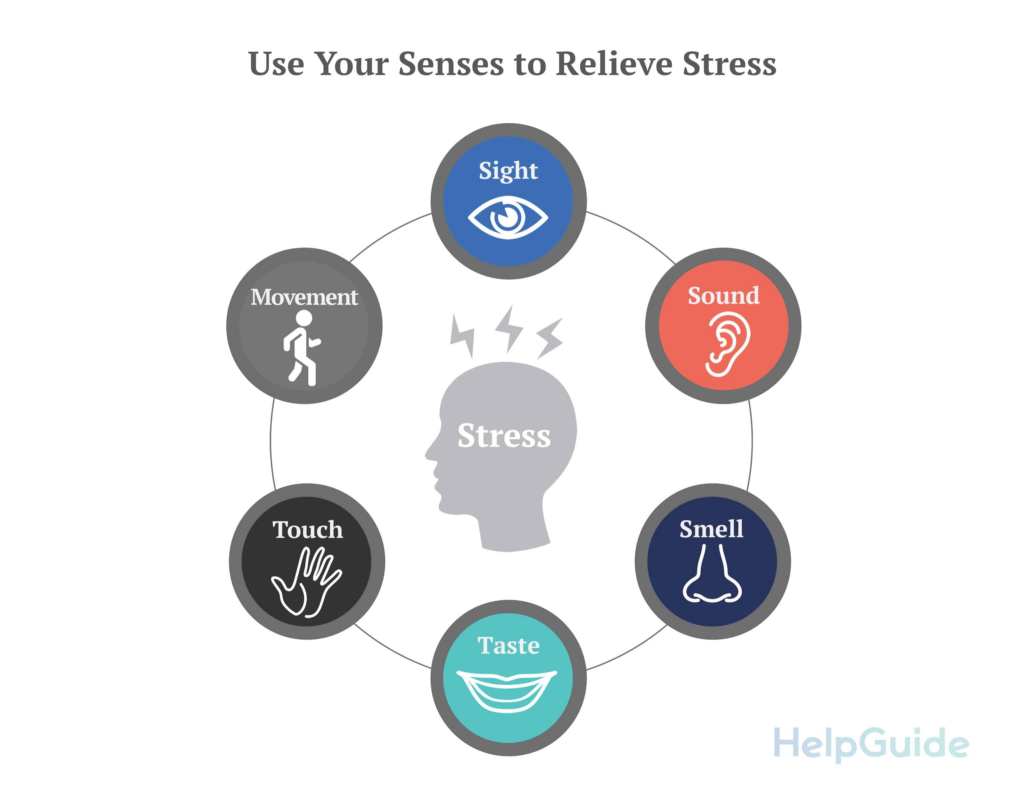
Name a physical activity — from walking to working out in the gym to doing chores around the house — and chances are, it will help you de-stress. Moving triggers the release of mood-boosting brain chemicals like endorphins. Focus on your body as you move — 30 minutes a day is a great goal — to keep your mind off whatever worries you. If regular movement hasn’t been part of your daily routine, start slowly and think about breaking your activities into 10-minute chunks.

Take Regular Breaks at Work and School
Both work and school can be sources of stress. Step away from time to time to relax and recharge. Set a timer to remind you to take a short break every hour. For a few minutes, do something soothing. Stretch your shoulders, back, and neck. Do a brief guided meditation with a smartphone app, or take a short walk. Bonus: After your break, you’ll be better able to focus on work, and that may make the rest of your day even less stressful.