

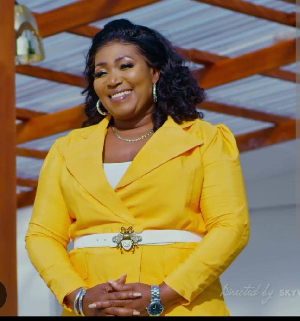
Veteran Ghanaian musician Grace Ashley has revealed that she has not received any royalties from her music for the past 18 years, reigniting conversations about the welfare of musicians and the effectiveness of royalty distribution systems in Ghana.
Speaking in an interview, the celebrated highlife artiste expressed disappointment over what she described as years of neglect despite her contributions to Ghana’s music industry. According to her, many of her songs continue to enjoy public patronage on radio stations, television platforms, and digital media, yet she has not received any meaningful royalty payments.
Grace Ashley noted that the situation has left many veteran musicians struggling financially, despite spending decades entertaining Ghanaians and contributing to the growth of the country’s cultural heritage.
“I have not received any royalties for 18 years,” she lamented, calling for greater transparency and accountability in the collection and distribution of music royalties.
The veteran singer questioned whether systems established to protect the interests of musicians are functioning effectively and urged relevant institutions to address the concerns of artistes whose works continue to generate value long after their release.
Her comments have added to long-standing concerns raised by several Ghanaian musicians regarding royalty payments. Over the years, numerous industry players have complained about delays, inconsistencies, and the relatively low amounts received from royalty collections.
Entertainment analysts say the issue highlights broader challenges facing Ghana’s music industry, including monitoring music usage, collecting licensing fees, and ensuring fair distribution to rights holders.
Industry stakeholders have repeatedly called for reforms to strengthen copyright administration and improve the royalty collection process in order to protect the livelihoods of musicians.
Fans and fellow artistes have since expressed support for Grace Ashley, with many urging authorities and music rights organizations to investigate the matter and ensure that musicians receive the compensation they deserve.
The latest revelation is expected to intensify discussions about copyright management and the future of royalty distribution in Ghana’s creative arts sector.