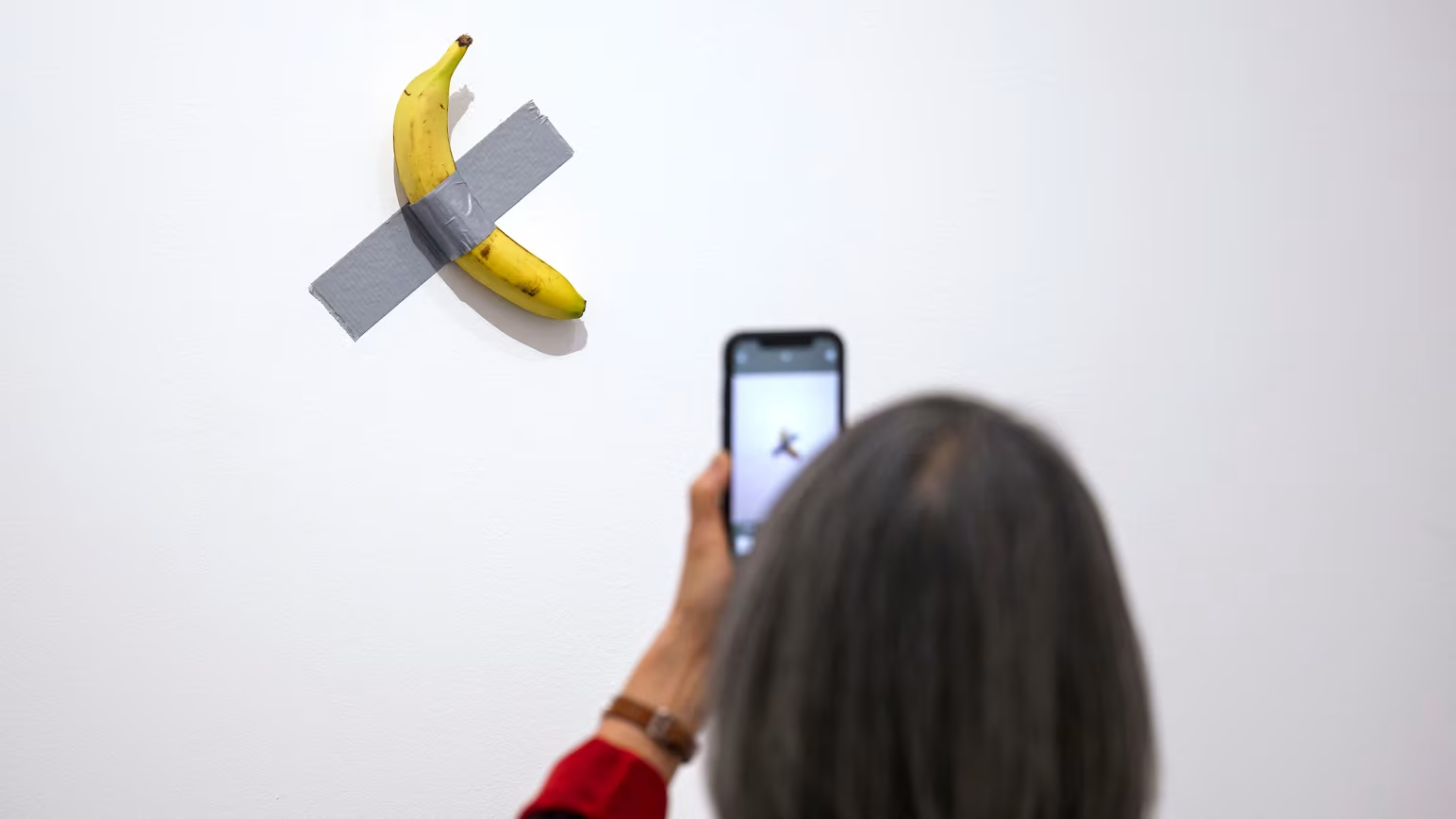


A growing number of Ghanaians are embracing the digital detox lifestyle, choosing to reduce their daily screen time in favour of healthier routines that promote mental well-being, stronger family relationships, and improved work-life balance.
Lifestyle experts say the increasing dependence on smartphones, social media platforms, and digital devices has contributed to rising levels of stress, anxiety, sleep disorders, and digital fatigue, particularly among young professionals and students.
As a result, many individuals are now setting aside dedicated periods each day to disconnect from technology and engage in activities such as reading, exercising, gardening, cooking, travelling, meditation, and spending quality time with family and friends.
Health professionals note that excessive screen exposure can negatively affect concentration, productivity, and emotional health. Continuous notifications, social media comparisons, and prolonged exposure to online content have also been linked to increased stress and reduced attention spans.
Mental health advocates encourage people to establish healthy digital habits, including limiting social media usage before bedtime, taking regular breaks from electronic devices during work hours, and creating technology-free spaces at home to encourage meaningful face-to-face interactions.
Fitness centres, wellness coaches, and community organisations across Ghana are also reporting increased interest in outdoor recreational activities such as hiking, cycling, walking clubs, yoga sessions, and weekend wellness retreats as more people seek alternatives to spending their leisure time online.
Parents are increasingly adopting digital detox practices within their households by encouraging children to spend more time reading books, playing outdoor games, learning practical skills, and participating in cultural and educational activities rather than relying solely on electronic entertainment.
Lifestyle analysts believe the trend reflects a broader shift towards holistic wellness, where physical health, mental well-being, emotional resilience, and social connections are viewed as equally important components of a balanced life.
Employers are also beginning to recognise the benefits of digital wellness by introducing flexible work arrangements, encouraging staff to take regular breaks, and promoting workplace initiatives that support employee mental health and productivity.
Experts emphasise that a digital detox does not require abandoning technology altogether. Instead, they recommend developing healthier relationships with digital devices by using them intentionally while creating space for personal growth, creativity, and genuine human connection.
As awareness of mental wellness continues to grow, many believe the digital detox movement could become one of Ghana’s most significant lifestyle trends, helping individuals lead healthier, happier, and more balanced lives in an increasingly connected world.