
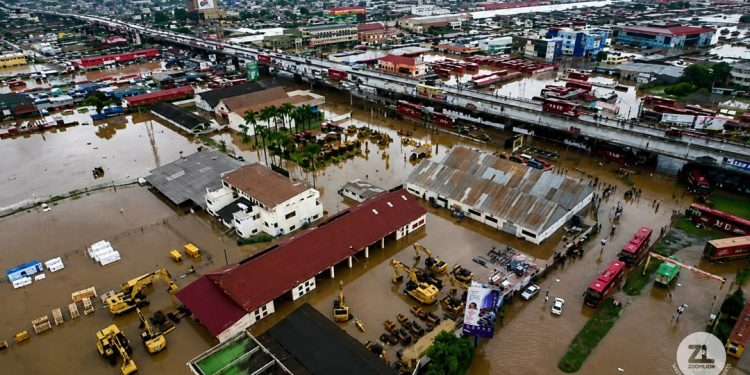
The Ghana Health Service (GHS) has issued a nationwide public health advisory warning that the recent flooding across parts of the country, particularly in Accra and surrounding communities, has significantly increased the risk of cholera and other waterborne diseases.
Health officials say floodwaters often contaminate drinking water sources with human waste, sewage, and other harmful pollutants, creating ideal conditions for the spread of cholera, typhoid fever, diarrhea, and other infectious diseases.
The GHS is urging residents in flood-affected communities to strictly observe hygiene and sanitation measures to prevent a possible outbreak. Officials have advised the public to drink only clean or boiled water, wash hands frequently with soap under running water, thoroughly cook food before consumption, and avoid eating food from unhygienic sources.
Communities have also been encouraged to disinfect household water storage containers, properly dispose of waste, and avoid contact with stagnant floodwater wherever possible.
According to the Health Service, anyone experiencing symptoms such as severe diarrhea, vomiting, dehydration, stomach cramps, or persistent fever should report immediately to the nearest health facility for prompt treatment.
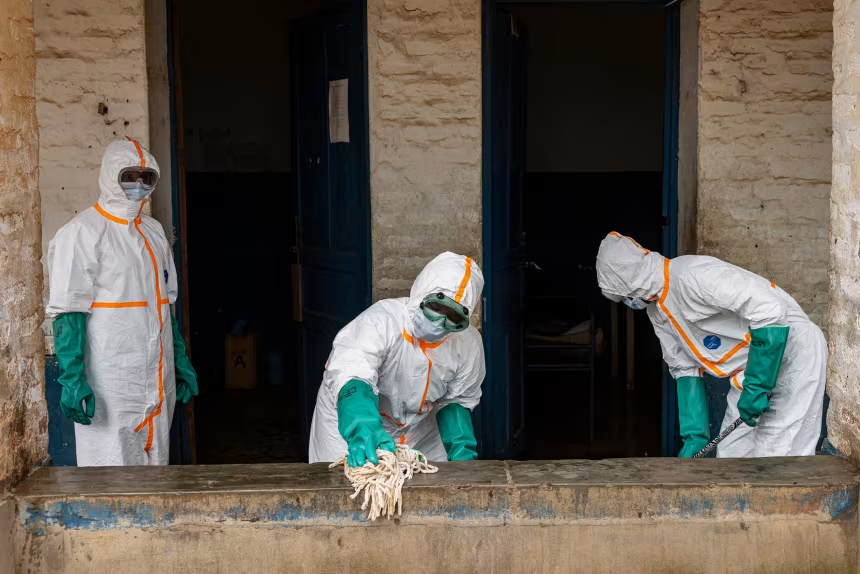
Health authorities have begun intensified disease surveillance in flood-hit areas, while environmental health officers continue monitoring sanitation conditions to detect and respond quickly to any suspected cholera cases.
The GHS is also working closely with the National Disaster Management Organization (NADMO), local assemblies, and environmental health departments to educate residents, distribute public health information, and improve sanitation in vulnerable communities.
Medical experts warn that the first few weeks after major flooding are often the most critical period for disease transmission, making early preventive action essential to protecting lives.
The Health Service has further appealed to community leaders, schools, churches, mosques, and market associations to support public education campaigns and encourage residents to maintain proper hygiene practices until floodwaters completely recede.
Officials stressed that while emergency response teams continue supporting flood victims, preventing a secondary public health crisis remains equally important. They urged the public to cooperate fully with health authorities and immediately report any suspected cases of cholera or other infectious diseases.
The advisory comes as government agencies continue relief operations following the devastating floods that affected several communities, damaged homes, displaced families, and disrupted economic activities across the Greater Accra Region.