

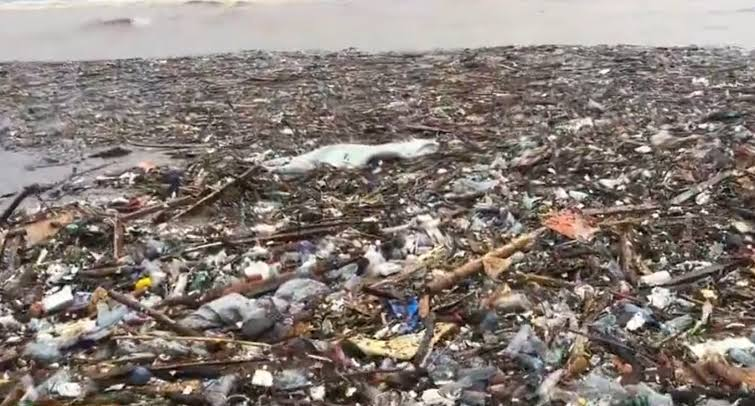
The Marketing Manager of Laboma Beach Resort, Kyle Kumedina, has expressed concern over the growing environmental challenges facing the popular beachfront destination, citing the persistent influx of waste carried onto the shore during heavy rains.
Speaking in an interview, Mr. Kumedina described the situation as a recurring problem that has intensified over the years, particularly during Ghana’s rainy season. According to him, floodwaters flowing from surrounding communities transport large volumes of plastic waste, household refuse, tree branches, and other debris directly onto the beach.
He noted that the accumulation of waste not only affects the beauty and cleanliness of the beach but also places a significant financial and operational burden on management, which must organize extensive clean-up exercises after every major rainfall.
“The beach often becomes covered with rubbish after heavy rains. Many visitors assume the resort is responsible for the litter, but most of the waste is washed in from nearby communities through storm drains and floodwaters,” he explained.
Mr. Kumedina added that the recurring pollution negatively impacts customer experience, with some patrons expressing disappointment over the condition of the shoreline before clean-up operations can be completed. He stressed that maintaining a clean beach requires considerable manpower, equipment, and financial resources.
Environmental experts have long warned that poor waste management practices, indiscriminate dumping of refuse into drains, and blocked waterways continue to worsen flooding and pollution in many parts of the Greater Accra Region. During heavy rainfall, clogged drains overflow, carrying large quantities of solid waste into rivers, lagoons, and eventually the sea.
The situation has also raised concerns about marine conservation, as plastic pollution poses a serious threat to fish, sea turtles, and other marine life while affecting Ghana’s coastal tourism industry.
Mr. Kumedina called on local authorities, environmental agencies, and residents to work together to improve sanitation and enforce proper waste disposal regulations. He emphasized that keeping drains free of refuse would not only reduce flooding but also prevent tons of waste from reaching the country’s beaches.
Environmental advocacy groups have similarly urged greater public education on responsible waste disposal, increased investment in waste collection infrastructure, and stricter enforcement of sanitation by-laws to address the root causes of the problem.
With the rainy season expected to continue, stakeholders are warning that unless effective measures are implemented, coastal communities and tourist destinations like Laboma Beach will continue to bear the environmental and economic consequences of flood-borne waste.