

Ghana’s rapidly expanding mobile money (MoMo) ecosystem continues to drive financial inclusion and digital transactions, but experts are warning that the sector’s remarkable growth is being accompanied by an alarming rise in fraud and cybercrime.
According to industry analysts, the increasing adoption of mobile money services has created new opportunities for fraudsters who exploit unsuspecting users through phishing scams, fake customer care calls, SIM swap fraud, impersonation and unauthorized transactions.
The warning comes as millions of Ghanaians increasingly rely on mobile money for everyday financial activities, including sending and receiving money, paying bills, purchasing goods and accessing digital financial services.
Financial technology experts say while mobile money has transformed Ghana’s payment landscape, consumers must remain vigilant to protect themselves from evolving cyber threats.
One of the most common tactics used by fraudsters involves posing as representatives of mobile network operators or financial institutions to trick customers into revealing their Mobile Money PINs or One-Time Passwords (OTPs). Victims who disclose this confidential information often lose funds from their wallets within minutes.
Experts have advised users never to share their PINs, verification codes or personal security details with anyone, regardless of claims that they are calling from a mobile money provider or bank.
They also urged customers to verify suspicious calls, avoid clicking on unknown links, regularly monitor transaction alerts and immediately report any suspected fraudulent activity to their service provider and the police.
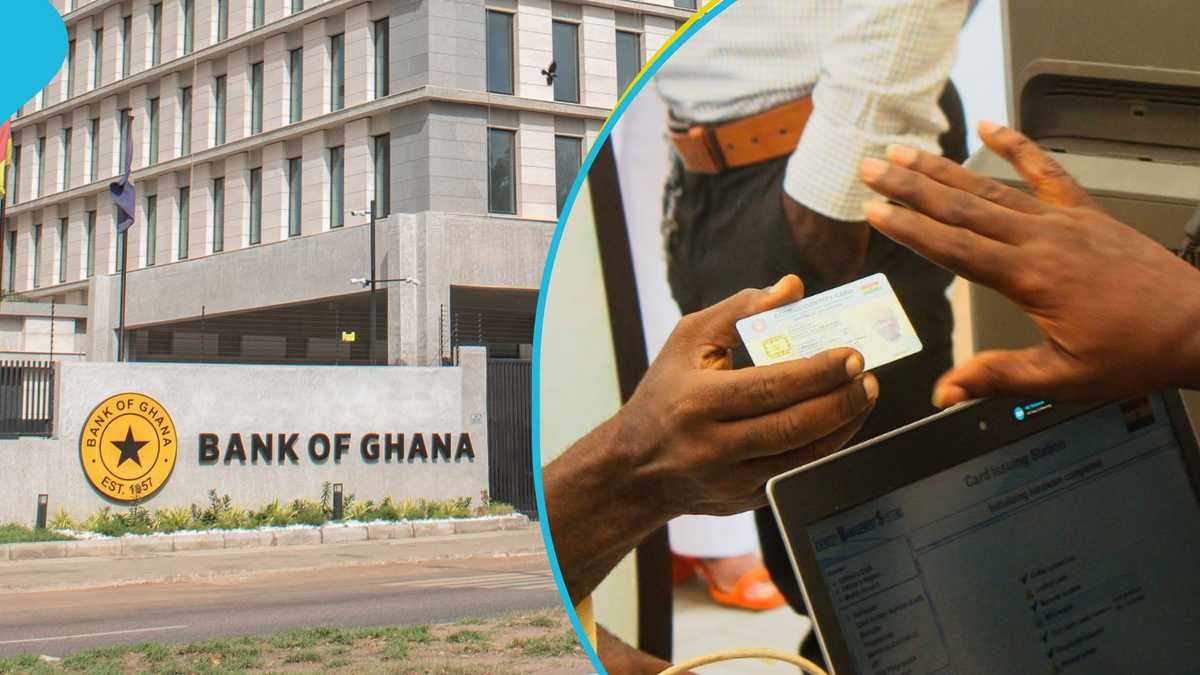
The Bank of Ghana and mobile network operators have repeatedly intensified public education campaigns on mobile money security, encouraging customers to adopt safe digital practices as electronic payments continue to grow across the country.
Industry observers say collaboration between regulators, telecom operators, financial institutions and law enforcement agencies remains critical in combating mobile money fraud and safeguarding public confidence in digital financial services.
They also called for stronger cybersecurity measures, improved fraud detection technologies and continuous consumer awareness campaigns to stay ahead of increasingly sophisticated criminal networks.
Despite the growing threat, analysts maintain that mobile money remains one of Ghana’s most important financial innovations, promoting financial inclusion and economic growth. However, they stress that protecting users from fraud is essential to ensuring the long-term sustainability and trustworthiness of the digital payments ecosystem.