
Researchers Investigate Whether Whale Biology Could Help Extend Human Life
Scientists are studying a unique protein found in whales that may offer important clues about aging and longevity in humans. Early research suggests that certain biological mechanisms in whales help protect their cells from damage, reducing the risk of age-related diseases and allowing these massive mammals to live remarkably long lives.
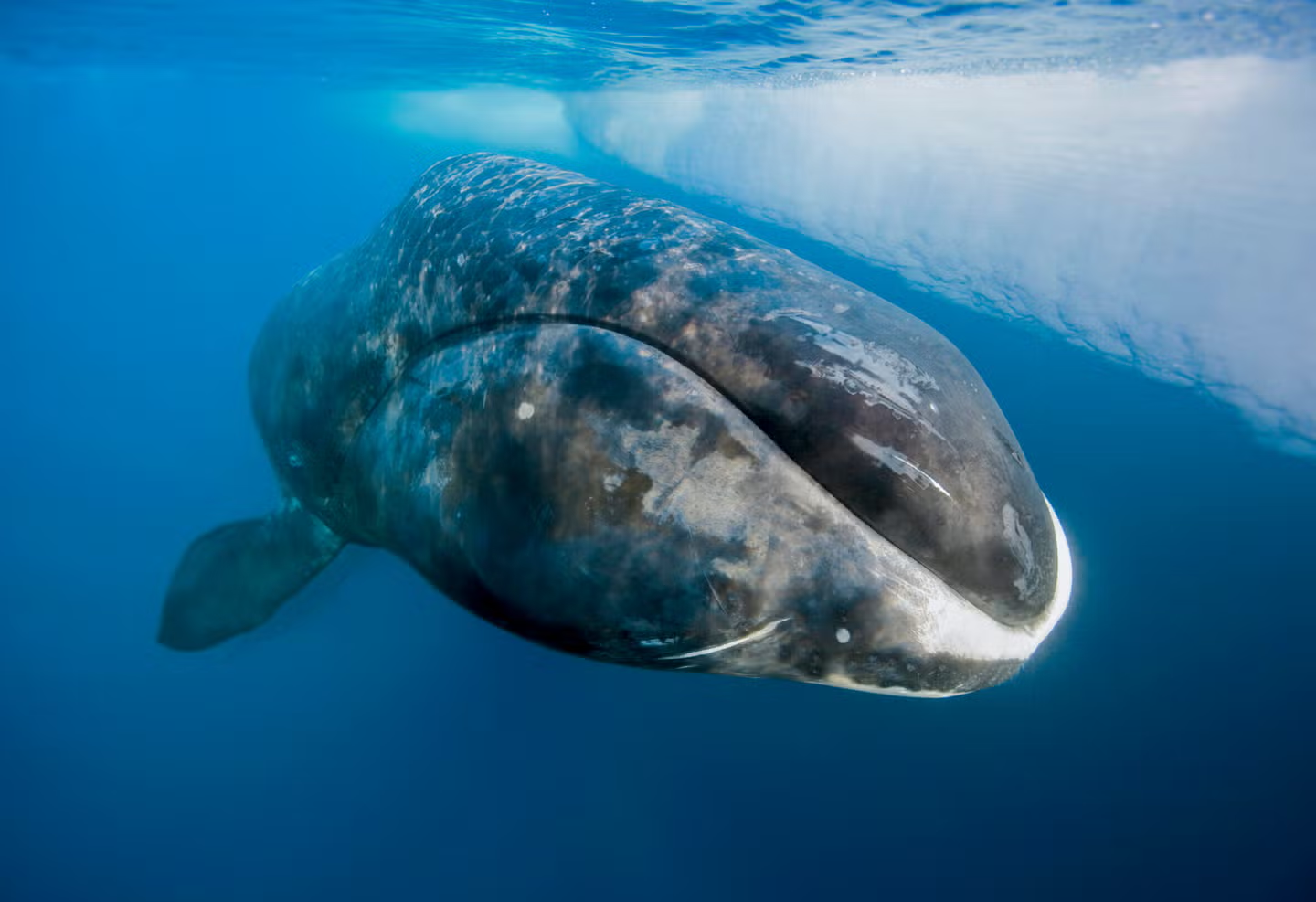
Some whale species, including the bowhead whale, can live for more than 200 years, making them among the longest-living mammals on Earth. Researchers believe proteins involved in DNA repair, cell maintenance, and disease resistance may play a major role in their exceptional lifespan.
According to scientists, understanding how these proteins function could eventually lead to breakthroughs in human medicine. Future treatments inspired by whale biology may help slow the aging process, improve resistance to diseases such as cancer, and potentially extend healthy human lifespans.
Experts caution, however, that the research remains in its early stages. While the findings are promising, there is currently no scientific evidence that humans could live up to 200 years in the near future. Significant testing and clinical studies would be required before any practical applications become available.
The discovery adds to a growing field of longevity research, where scientists are examining animals with extraordinary lifespans to better understand the secrets of aging. If successful, the insights gained from whale biology could one day transform healthcare and redefine the limits of human longevity.
Some animals seem to break the rules of biology. The bowhead whale is one of them. These Arctic giants can live for up to 200 years, and they spend almost all of that time free of cancer and the other diseases that tend to catch up with the rest of us.
Most big, long-lived animals should be easy targets for cancer, but the bowhead is not. So how does one of the largest animals on the planet stay healthy for so long? And if scientists can work out the trick, could any of it help people too?
A team of biologists went looking for an answer, and they think a single protein is doing a lot of the heavy lifting.New research traces the answer to a protein called CIRBP. It plays a key role in repairing one of the most dangerous kinds of genetic damage, a double-strand break, where both strands of DNA snap at the same spot.
That sort of damage can spark disease and shorten lives across many species, humans included.
The study comes from scientists at the University of Rochester and their collaborators, and it appeared in the journal Nature.
“This research shows it is possible to live longer than the typical human lifespan,” explains biology professor Vera Gorbunova.