
International researchers are expanding deep-sea exploration missions and preparing for future moon and space exploration programs aimed at advancing scientific discovery and technology development.
Scientists around the world are expanding efforts to explore some of the least understood environments on Earth and beyond, with major investments being made in deep-sea research and space exploration programs. Researchers say these projects are helping humanity better understand climate change, natural resources, marine biodiversity, and the possibility of life beyond Earth.
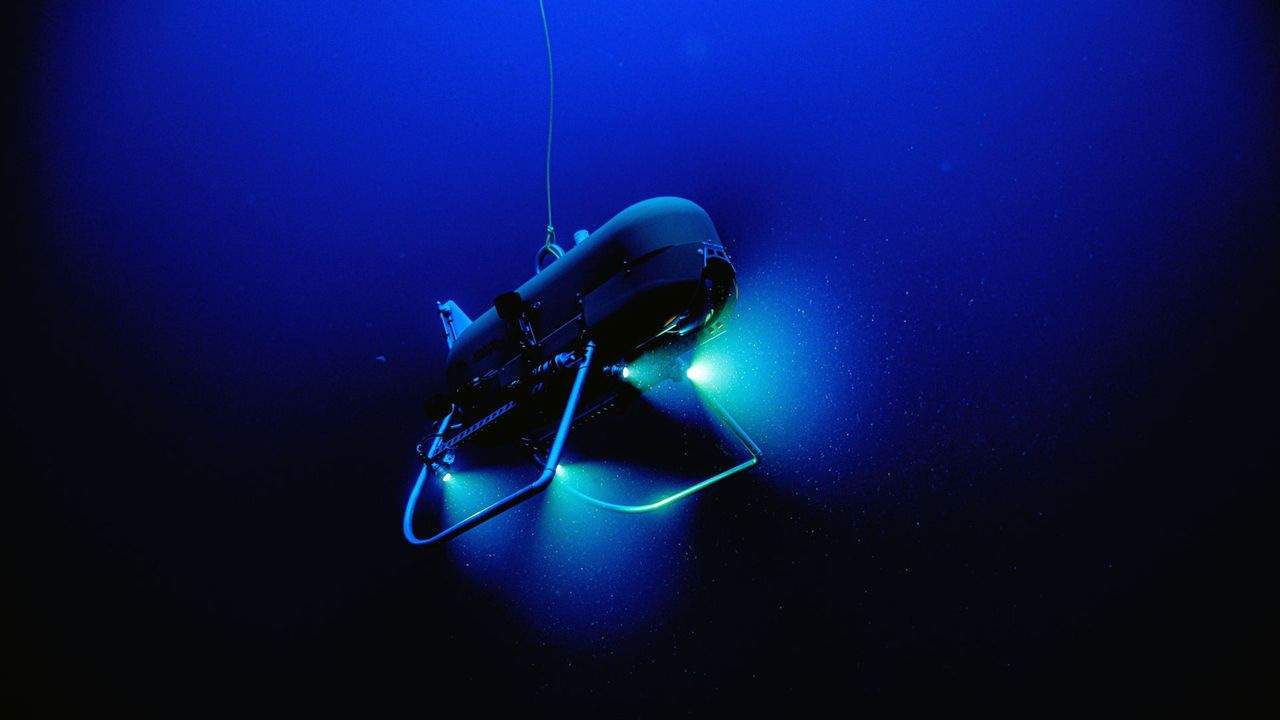
Ocean scientists recently launched several new expeditions into deep sections of the Pacific and Atlantic Oceans using advanced underwater drones and robotic submarines capable of reaching depths previously inaccessible to humans. Researchers are studying underwater ecosystems, volcanic activity, and the impact of pollution on marine life. Experts believe deep-sea discoveries could contribute to breakthroughs in medicine, energy, and environmental conservation.
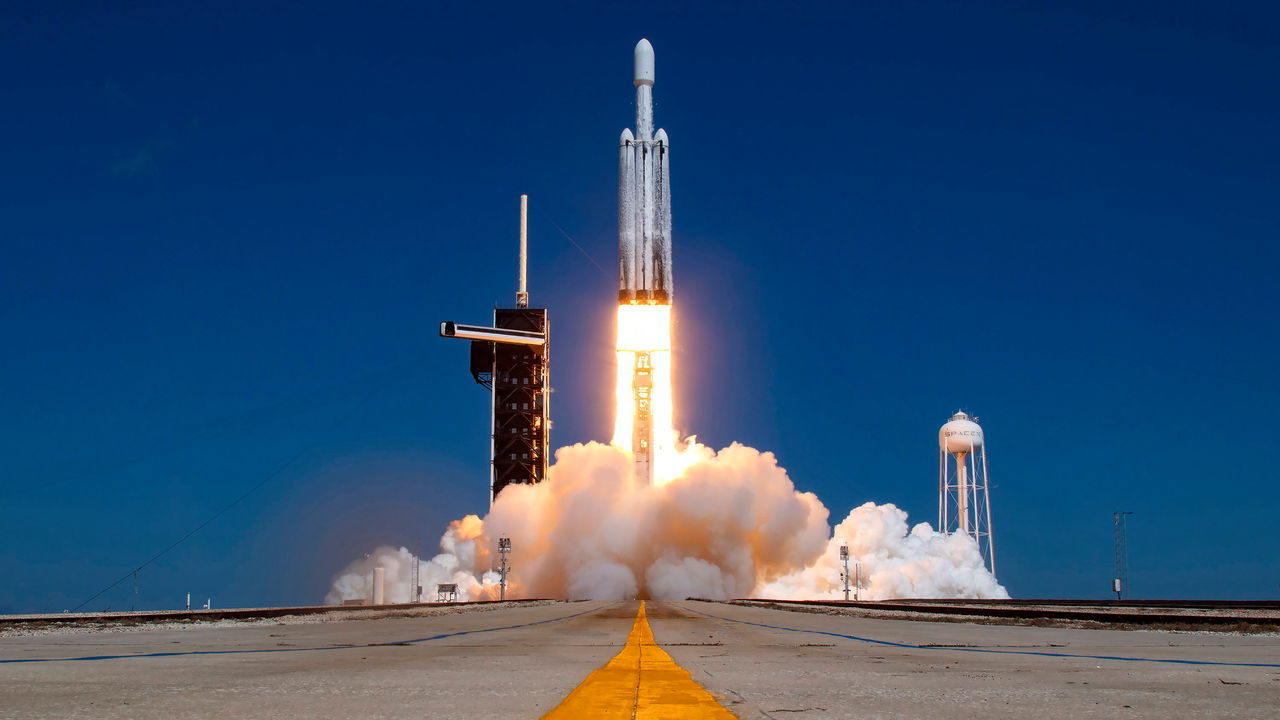
At the same time, international space agencies and private aerospace companies continue to intensify missions focused on the Moon, Mars, and beyond. Recent projects include satellite launches, lunar exploration missions, and the development of new technologies aimed at supporting long-term human presence in space. Scientists say space exploration remains essential for technological innovation, scientific discovery, and preparing for future global challenges.
Astronomers also continue to discover new planets and cosmic phenomena using powerful space telescopes and artificial intelligence systems capable of analyzing massive amounts of astronomical data. These discoveries are increasing global interest in science and inspiring a new generation of students to pursue careers in technology, engineering, and research.
Experts believe both deep-sea and space exploration will play a critical role in shaping the future of science, sustainability, and global innovation in the years ahead.