
Ghana’s education sector continues to witness significant growth as enrollment numbers at the senior high school level remain at record highs, driven largely by the government’s flagship Free Senior High School (Free SHS) policy.
Education officials say the programme has enabled hundreds of thousands of students from low-income and rural communities to access secondary education, removing financial barriers that previously prevented many families from keeping their children in school.
According to education stakeholders, the policy has contributed to increased enrollment rates, improved gender parity, and expanded opportunities for students from disadvantaged backgrounds.
Rising Enrollment and Increased Access
Since the introduction of Free SHS, enrollment figures across public secondary schools have risen substantially, with more students transitioning from junior high school to senior high school than ever before.
Education experts argue that the policy has helped reduce dropout rates and provided a pathway for many young Ghanaians to pursue higher education and professional careers.
In many communities, parents who previously struggled to pay tuition, boarding, and related school fees have welcomed the programme as a major relief.
Infrastructure Challenges Remain
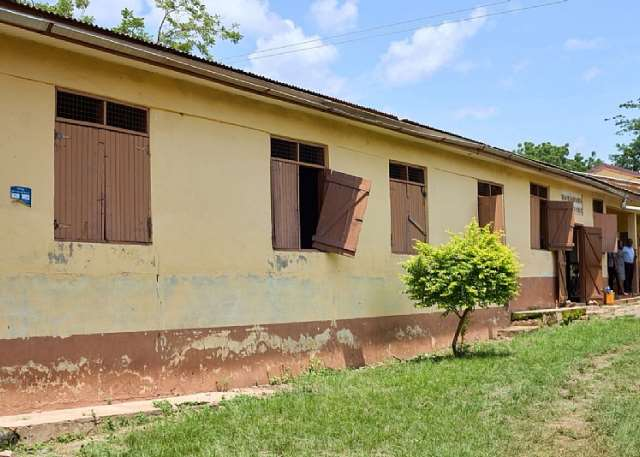
Despite the gains, education authorities acknowledge that increased enrollment has placed pressure on existing school infrastructure.
Many schools continue to face challenges including overcrowded classrooms, inadequate dormitory facilities, shortages of furniture, and increasing demand for laboratories and libraries.
Government officials have indicated that efforts are underway to expand educational infrastructure through the construction of new classroom blocks, dormitories, dining halls, and science laboratories across the country.
Focus on Quality Education
Beyond access, policymakers are increasingly focusing on improving educational quality.
Experts have called for greater investment in teacher training, digital learning technologies, science education, and curriculum development to ensure students receive skills that meet the demands of a rapidly changing global economy.
The Ministry of Education has also emphasized the importance of strengthening Technical and Vocational Education and Training (TVET) programmes to equip young people with practical skills for employment and entrepreneurship.
Digital Learning and Innovation
The growing integration of technology into education is creating new opportunities for students and teachers alike.
Schools across the country are gradually adopting digital learning platforms, computer laboratories, and online educational resources to enhance teaching and learning outcomes.
Education analysts believe digital literacy will become increasingly important as Ghana seeks to compete in the global knowledge economy.
Looking Ahead
Stakeholders say the future success of Ghana’s education system will depend on balancing increased access with improved quality, infrastructure development, and workforce readiness.
As government, educators, and development partners continue to invest in the sector, many believe education remains one of the most powerful tools for reducing poverty, promoting social mobility, and driving long-term national development.
With millions of young Ghanaians currently enrolled in schools across the country, the education sector remains at the heart of efforts to build a skilled workforce capable of supporting Ghana’s economic transformation in the years ahead.