
Tehran, July 15, 2026 – Iran has warned that it could move to close additional regional energy routes if the United States continues what Tehran describes as a blockade in the Strait of Hormuz, escalating tensions in one of the world’s most strategically important oil transit corridors.
The warning came from senior Iranian officials, who declared that the country would not allow its energy exports to be disrupted while other nations continue to ship oil and gas through the region.
“Energy exports will be for everyone or for no one,” an Iranian official said, signaling Tehran’s willingness to expand retaliatory measures if the standoff with the United States intensifies.
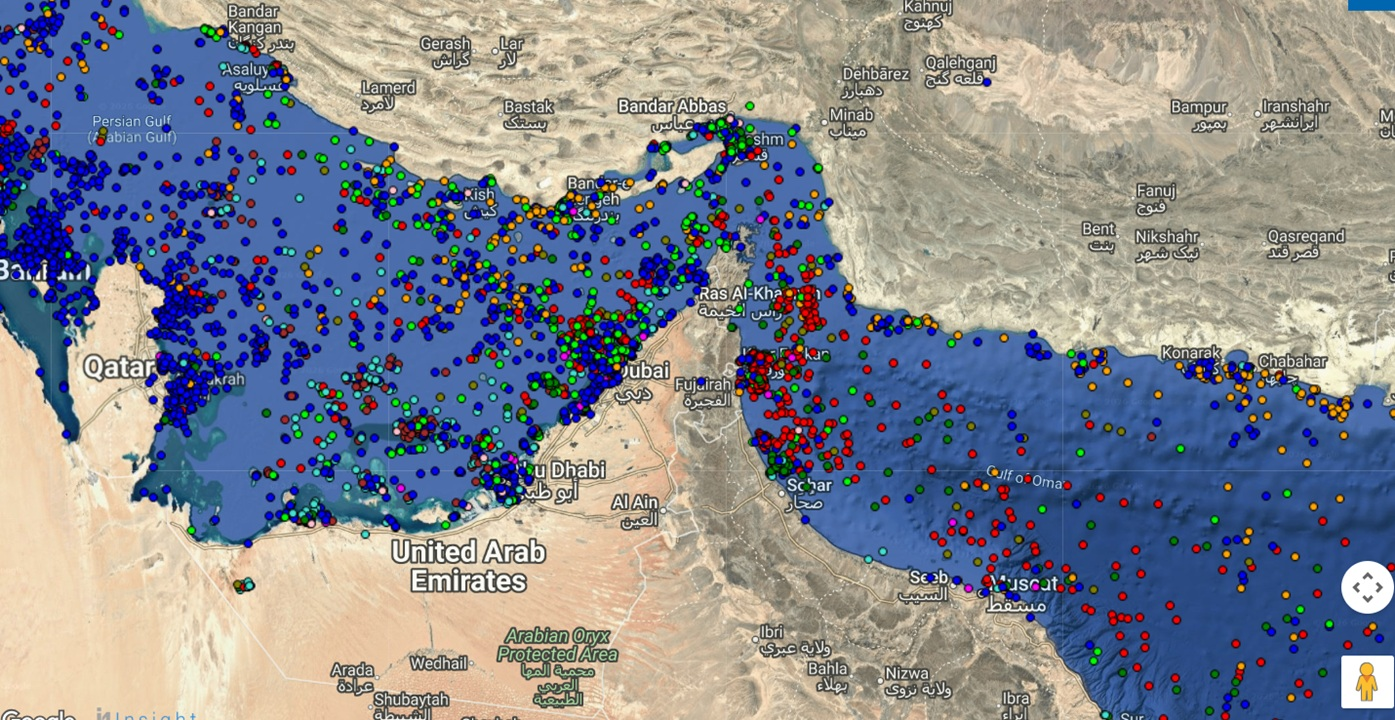
The Strait of Hormuz, which links the Persian Gulf to the Gulf of Oman and the Arabian Sea, carries a significant share of the world’s crude oil and liquefied natural gas exports. Any disruption to shipping through the waterway is closely monitored by global markets due to its potential impact on energy supplies and prices.
Iran’s latest warning follows heightened military tensions between Tehran and Washington after a series of U.S. strikes targeting Iranian military assets and nuclear-related facilities. In response, Iran has vowed to defend its interests and warned that continued pressure could trigger broader consequences for regional and global energy security.
Energy analysts say any attempt to disrupt additional shipping routes would likely increase volatility in global oil markets, potentially driving up fuel prices and affecting international trade.
The United States has maintained that its military presence in the Gulf is aimed at protecting freedom of navigation and ensuring the uninterrupted flow of international commerce. Washington has not officially responded to Iran’s latest threat but has repeatedly stated that it will work with its allies to safeguard key maritime routes.
The renewed exchange of warnings has heightened concerns among governments and energy traders, with observers cautioning that further escalation could have significant economic and geopolitical consequences beyond the Middle East.
Diplomatic efforts to reduce tensions remain ongoing, although prospects for a breakthrough appear uncertain as both sides continue to adopt firm positions.