
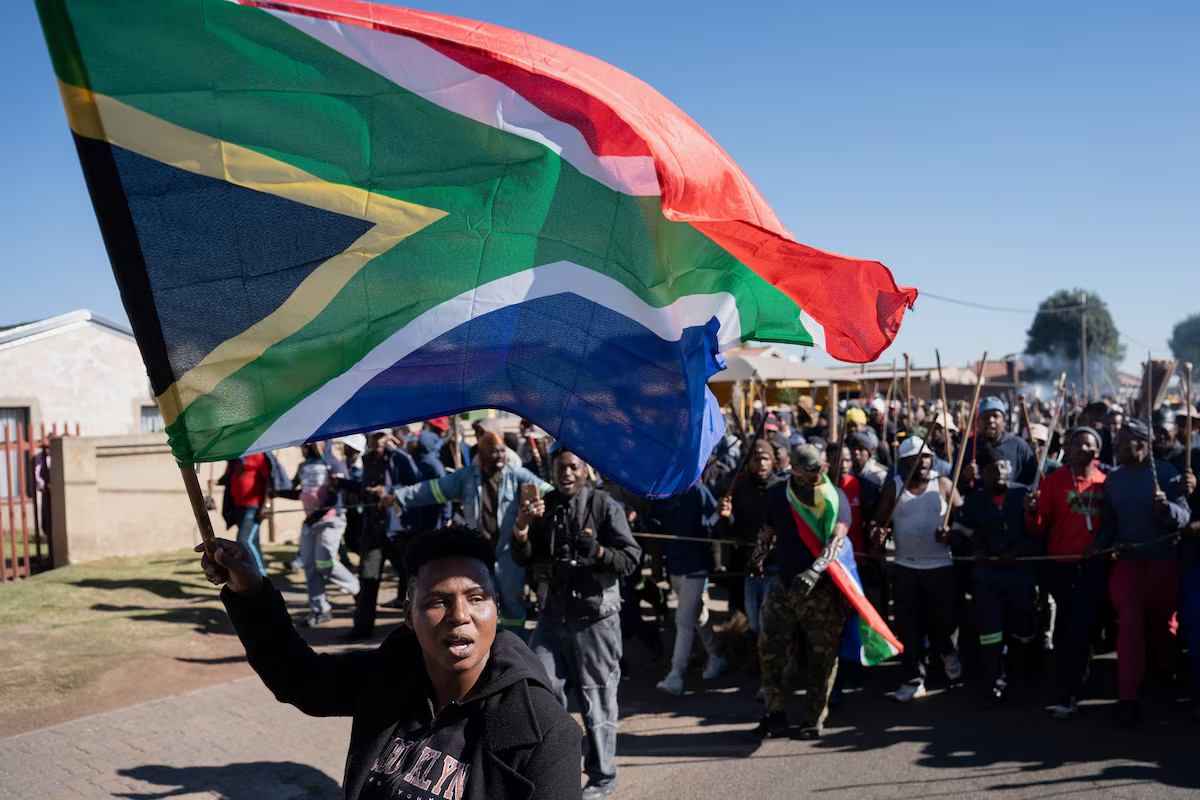
Recent reports indicate that thousands of migrants, including citizens of Malawi, Mozambique, Ghana, Zimbabwe, and the Democratic Republic of Congo, have fled their homes or sought assistance amid growing hostility and threats from anti-immigration groups. Authorities have increased security in affected areas as fears of further unrest continue to mount.
The situation intensified after activist groups called for undocumented migrants to leave the country, leading to protests and sporadic violence in some communities. Human rights organizations have expressed concern over reports of intimidation, forced displacement, and attacks against foreign nationals.
Malawi has been among the countries affected, with thousands of its citizens seeking repatriation assistance. South African authorities have established temporary processing and deportation centers as large numbers of migrants gather for transportation back to their home countries.
The unrest follows a broader debate in South Africa over immigration, unemployment, and access to public services. While government officials have condemned vigilantism and unlawful attacks on foreigners, tensions remain high in several provinces.
Regional leaders and international organizations have urged calm and called for the protection of migrants regardless of their nationality or immigration status. They have also emphasized the need for lawful immigration enforcement and dialogue to address underlying social and economic concerns.
Observers warn that unless the situation is carefully managed, the violence could damage regional relations and undermine efforts to promote African unity and cooperation.
Investigations into reported attacks are ongoing, while governments across the region continue to monitor the situation closely and assist affected citizens.
Source: Associated Press (AP), AFP, and regional media reports.