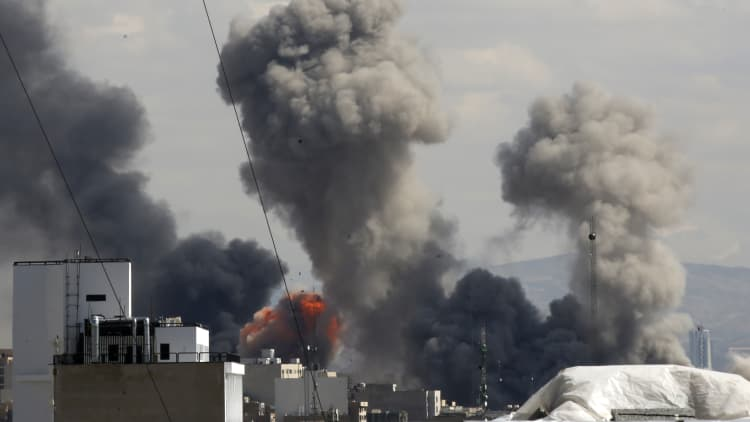

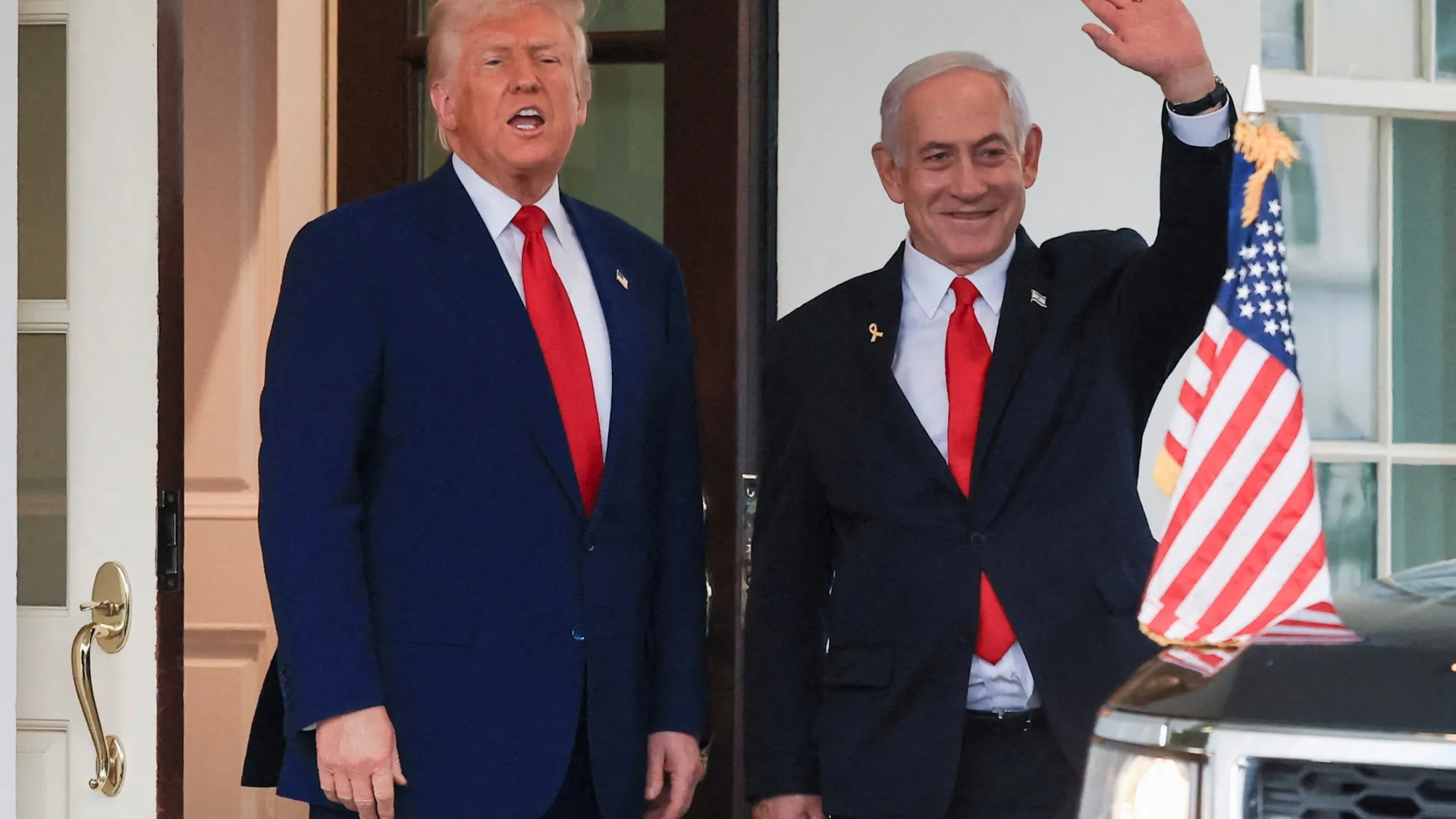
Israeli Prime Minister Benjamin Netanyahu has indicated that Israel will continue to take military action against threats from Iran and Hezbollah regardless of the emerging U.S.-Iran peace framework championed by President Donald Trump, exposing growing tensions between the two longtime allies.
Speaking amid ongoing debate over the proposed agreement, Netanyahu reportedly made clear that Israel would retain the right to strike Iran and targets linked to Hezbollah in Lebanon whenever it considers such action necessary for national security. He stressed that his government’s primary responsibility is the protection of Israeli citizens and the country’s long-term security interests.
The remarks come as the Trump administration pushes forward with a peace initiative aimed at ending hostilities between the United States and Iran and reducing tensions across the Middle East. The proposed framework reportedly includes provisions related to Lebanon, the Strait of Hormuz, and future negotiations on Iran’s nuclear programme.
Netanyahu has expressed reservations about aspects of the deal, particularly provisions that could limit Israel’s operational freedom against Hezbollah in Lebanon. Israeli officials have reportedly informed Washington that Israel does not consider itself bound by clauses that would restrict its ability to respond to security threats along its northern border.
The dispute follows a series of unusually public disagreements between Trump and Netanyahu. In recent days, Trump has openly criticized Israeli actions that he believes could undermine diplomatic efforts with Tehran, insisting that preventing Iran from obtaining nuclear weapons remains the ultimate objective of the negotiations.
Despite the differences, Netanyahu has continued to emphasize that he shares the goal of preventing Iran from acquiring nuclear weapons. However, he maintains that Israel must preserve the ability to act independently when faced with what it views as direct threats from Iran or its regional allies.
The disagreement highlights the challenges facing efforts to secure a broader regional settlement. While Washington and Tehran appear to be moving toward a formal agreement, questions remain about how the deal will affect Israel’s security policies and military operations in Lebanon and elsewhere in the region.
Political analysts say the emerging rift could become one of the most significant tests of U.S.-Israeli relations in recent years. As negotiations continue and a potential signing ceremony approaches, global attention remains focused on whether diplomatic progress can be maintained amid competing security priorities and ongoing regional tensions.