
Several African countries have witnessed protests against illegal immigration this year, highlighting growing public concerns over border security, economic pressures, and the management of migrant populations.
Demonstrations have been reported in South Africa, Ghana, Tunisia, and Libya, with protesters calling on their governments to take stronger action against irregular migration and tighten border controls.
In South Africa, anti-immigration protests have intensified amid concerns over unemployment, crime, and pressure on public services. The issue has sparked heated national debate, with some groups demanding stricter immigration enforcement while others have warned against xenophobia and attacks on foreign nationals.
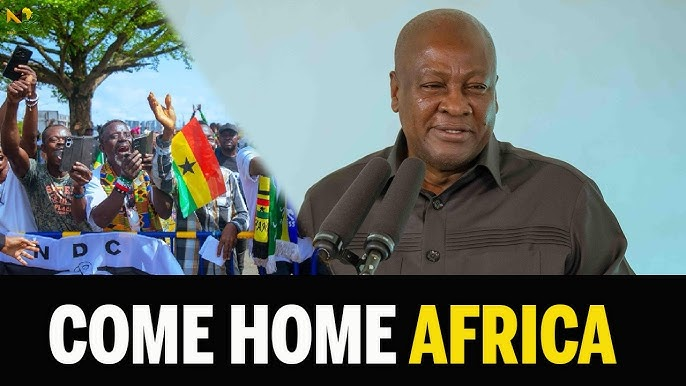
In Ghana, public discussions surrounding immigration and border management have also gained momentum, particularly following regional security concerns and debates over the impact of undocumented migration on local communities and economic opportunities.
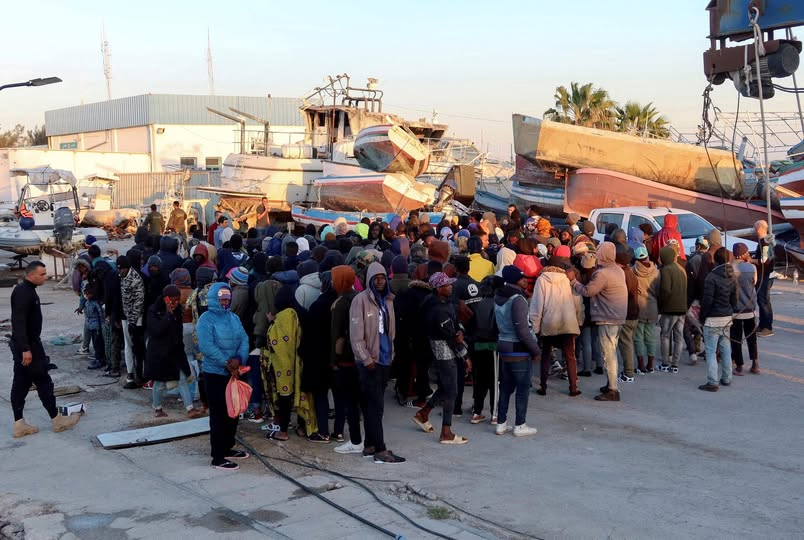
Meanwhile, hundreds of demonstrators gathered outside the offices of the United Nations High Commissioner for Refugees (UNHCR) in Tunisia, demanding tougher immigration policies and calling on authorities to address what they described as growing migration challenges facing the North African nation.
Libya, a key transit route for migrants seeking to reach Europe, has also witnessed demonstrations over migration-related issues. Citizens have expressed concerns about the strain placed on local resources and the security implications of continued irregular migration through the country.
The wave of protests reflects broader concerns across the continent as governments grapple with rising migration flows driven by conflict, economic hardship, political instability, and climate-related challenges in various regions.
Human rights organizations have urged authorities to balance border security measures with the protection of migrants and refugees, warning against discrimination and violence targeting foreign nationals. They argue that long-term solutions require greater regional cooperation, economic development, and efforts to address the root causes of migration.
Analysts say the growing frequency of anti-illegal immigration demonstrations underscores a challenge facing many African governments: how to manage migration effectively while maintaining social cohesion and protecting vulnerable populations.
As migration continues to shape political and social discourse across the continent, observers expect the issue to remain high on the agenda of governments, regional organizations, and international agencies in the months ahead.