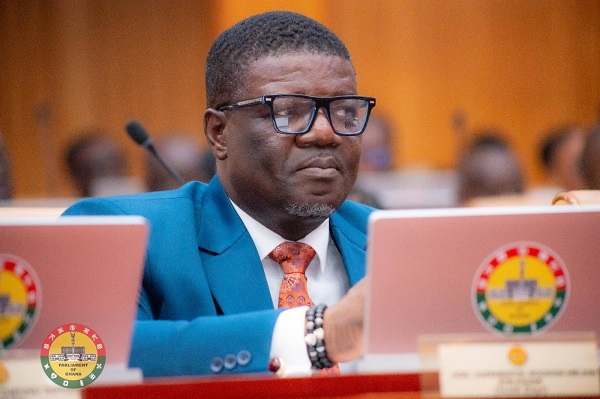

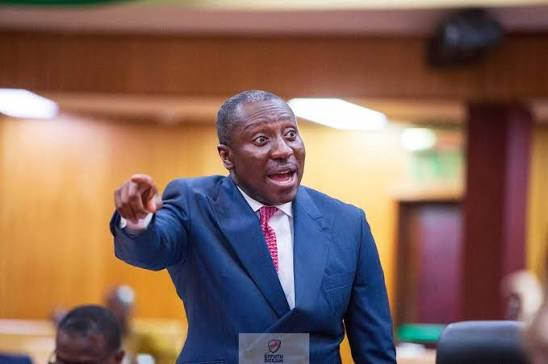
The Minority Caucus in Parliament has called for a full parliamentary investigation into the government’s response to the devastating floods that struck parts of the Greater Accra Region on June 29, arguing that authorities failed to act on lessons from previous disasters.
Addressing the media in Parliament, Minority Members accused the government of responding too slowly to the emergency and questioned the effectiveness of Ghana’s disaster preparedness systems despite years of warnings about recurring floods in the capital.
According to the Caucus, the heavy rains exposed long-standing weaknesses in urban planning, drainage infrastructure, and emergency response mechanisms. They argued that the flooding caused significant destruction to homes, businesses, and public infrastructure, while displacing hundreds of residents and disrupting economic activities across several communities.
The Minority further referenced the June 3, 2015 twin flood and fire disaster at the Kwame Nkrumah Circle, which claimed more than 150 lives following an explosion at a GOIL filling station during severe flooding. They stated that successive governments had pledged to improve drainage systems, enforce building regulations, and strengthen disaster management, but many of those commitments remain unfulfilled.
The Caucus is therefore demanding the establishment of a bipartisan parliamentary committee to investigate:
The government’s preparedness before the floods.
The effectiveness and timeliness of emergency response efforts.
The role of local authorities and disaster management agencies.
The utilization of funds allocated for flood prevention and drainage projects.
Measures needed to prevent similar disasters in the future.
Minority lawmakers stressed that the proposed inquiry is not intended to politicize the tragedy but to ensure accountability and identify practical solutions that will protect lives and property.
Meanwhile, emergency response teams, including the National Disaster Management Organisation (NADMO), security agencies, and local authorities, continue relief operations in affected communities. Assessments of the extent of damage are ongoing, while displaced families have appealed for food, shelter, and medical assistance.
Residents in several flood-prone areas have also renewed calls for the desilting of drains, stricter enforcement against illegal structures built on waterways, and long-term investment in resilient drainage infrastructure.
The government has yet to formally respond to the Minority’s call for a parliamentary probe, although officials have indicated that assessments are underway and support is being provided to affected communities.
The latest floods have once again reignited the national conversation on climate resilience, urban planning, and disaster preparedness, with many Ghanaians urging policymakers to move beyond emergency responses and implement lasting solutions to the country’s recurring flooding challenges.