
President John Dramani Mahama has held a series of high-level engagements with heads of state, diplomats, international scholars, and representatives from dozens of countries in Accra as Ghana hosts the landmark Next Steps Programme on Reparatory Justice and Racial Healing.
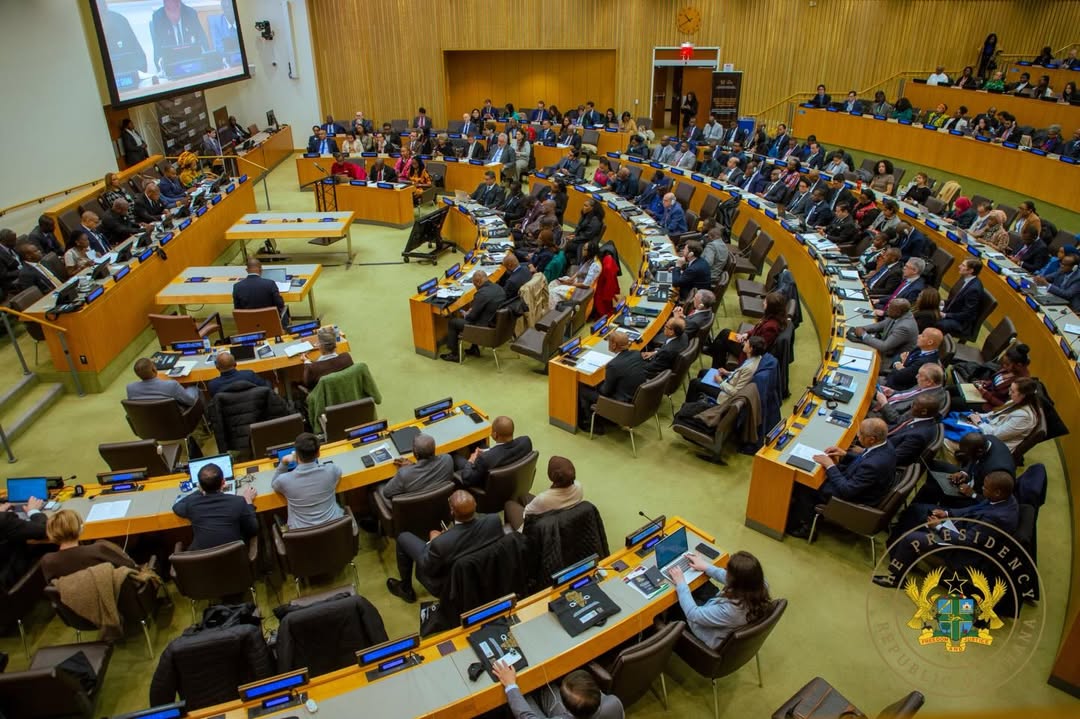
The conference, which has attracted global attention, is bringing together political leaders, policymakers, academics, civil society organizations, and members of the African diaspora to discuss practical pathways toward reparatory justice following the recent United Nations recognition of the Transatlantic Slave Trade as a crime against humanity.
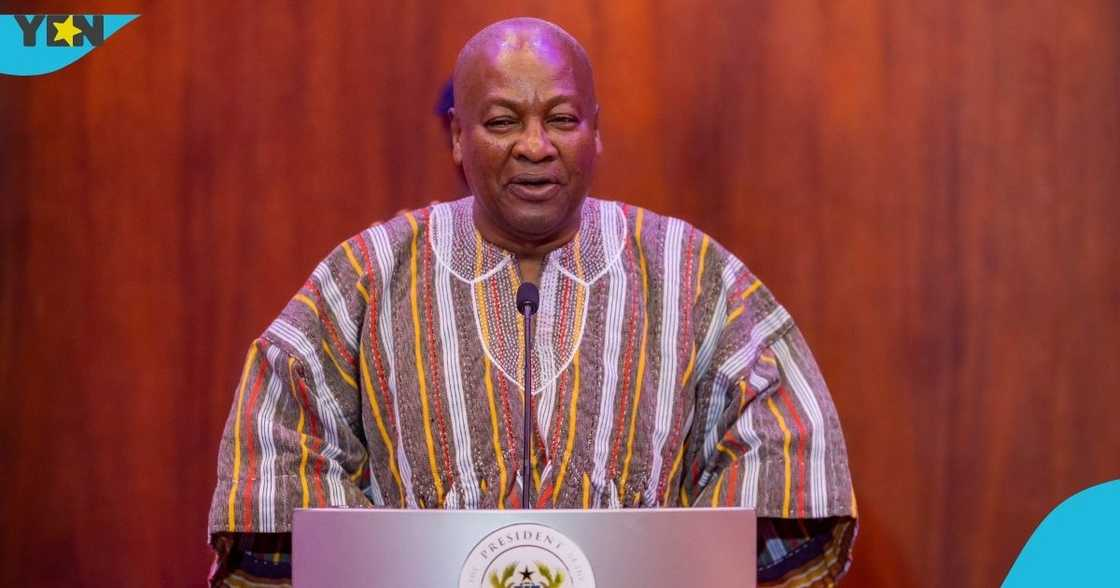
Throughout the opening sessions, President Mahama was seen interacting with numerous foreign delegates and dignitaries, including former Ghanaian President John Agyekum Kufuor, Nigerian Nobel Laureate Wole Soyinka, representatives of Caribbean nations, African heads of state, senior diplomats, and international development partners.
The meetings focused on strengthening international cooperation, addressing historical injustices, and advancing a coordinated global framework for reparations and historical accountability.
Ghana at the Center of a Global Conversation
As host nation, Ghana has emerged as a leading voice in the growing international movement seeking recognition of the long-term economic, social, and political consequences of slavery and colonialism.
President Mahama emphasized that the reparations conversation is not merely about financial compensation but also about historical truth, economic empowerment, cultural restoration, educational opportunities, and equitable global partnerships.
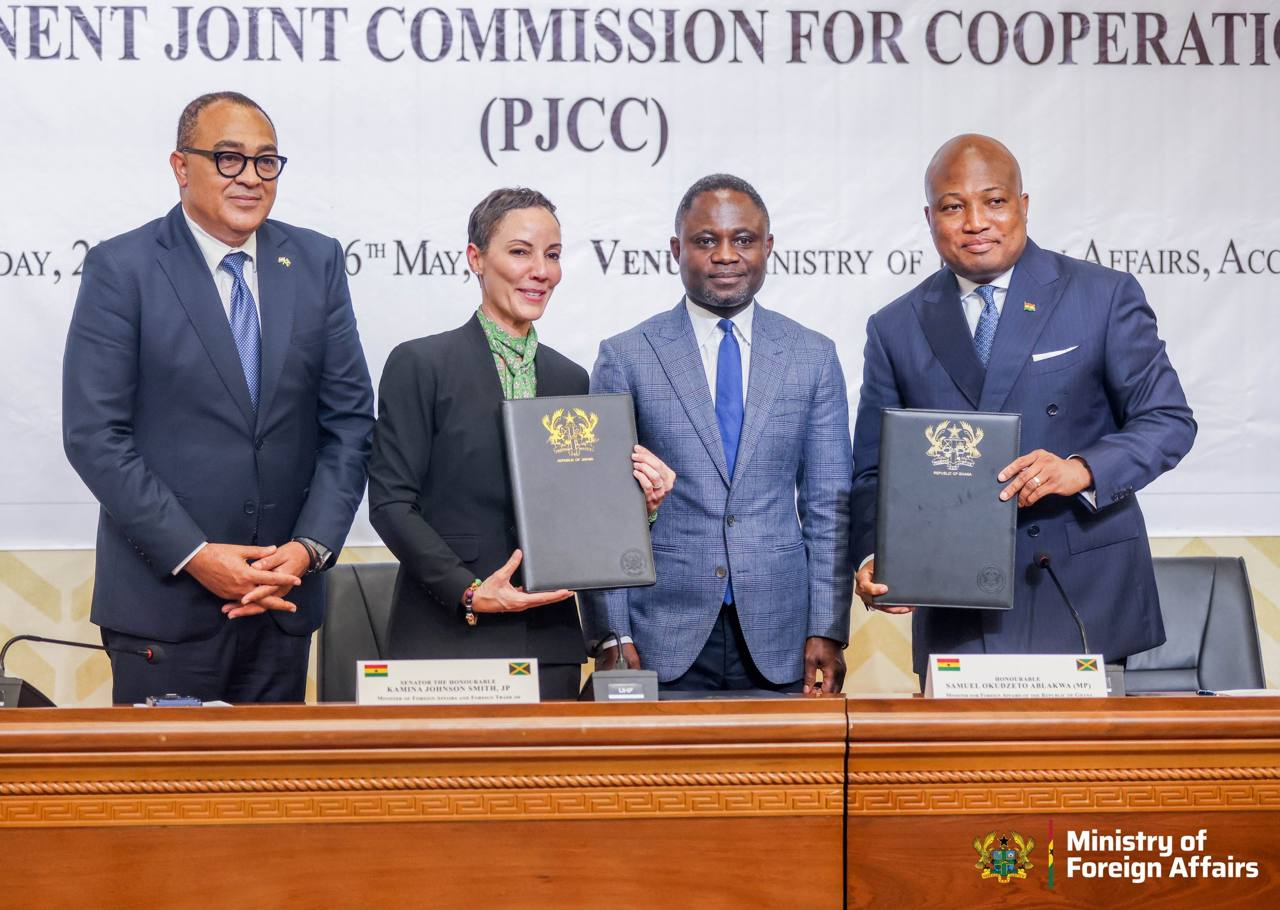
Officials close to the discussions indicated that several bilateral meetings were held on the sidelines of the conference, with participating countries exploring opportunities for deeper cooperation in trade, investment, education, tourism, culture, and diplomatic relations.
Strengthening Ties with Africa and the Diaspora
A key theme of the conference has been the strengthening of connections between Africa and the global African diaspora.
Delegates from the Caribbean, North America, Europe, Latin America, and various African nations discussed strategies for fostering closer economic and cultural ties among people of African descent.
President Mahama reportedly highlighted Ghana’s continued commitment to initiatives such as the “Year of Return” and other diaspora engagement programmes that have positioned the country as a gateway for reconnecting descendants of enslaved Africans with the continent.
Observers noted that the conference is helping to reinforce Ghana’s image as a major hub for Pan-African dialogue and international cooperation.
Economic and Diplomatic Benefits for Ghana
Analysts say hosting such a significant gathering carries substantial diplomatic and economic benefits for Ghana.
The presence of foreign leaders and international organizations is expected to boost Ghana’s visibility on the global stage while creating opportunities for investment discussions, tourism promotion, cultural exchanges, and development partnerships.
Beyond the immediate economic impact of hosting hundreds of international delegates, experts believe the conference could strengthen Ghana’s influence in shaping future international policy discussions on historical justice and development.
Several participating countries have reportedly expressed interest in collaborating with Ghana on educational research, cultural preservation projects, youth development programmes, and initiatives aimed at promoting historical awareness.
Calls for Concrete Action
While participants broadly agreed on the need for continued dialogue, many speakers stressed that discussions must eventually translate into tangible actions.
Recommendations emerging from the conference are expected to include proposals on educational reform, heritage preservation, scholarship programmes, economic development initiatives, and international frameworks for addressing historical inequalities.
Delegates also discussed the role of governments, international institutions, and former colonial powers in supporting efforts to address the enduring impact of slavery and colonialism.
A Defining Moment for Ghana
Political analysts describe the conference as one of the most significant international gatherings hosted by Ghana in recent years.
By bringing together global leaders, intellectuals, and advocacy groups, the event has reinforced Ghana’s position as a leading advocate for Pan-Africanism, historical justice, and international cooperation.
For President Mahama, the gathering also provides an opportunity to deepen diplomatic relations with participating countries while demonstrating Ghana’s commitment to issues that resonate across Africa and the African diaspora.
As deliberations continue, many participants believe the conference could mark a turning point in the global reparations movement and lay the foundation for future international agreements aimed at promoting justice, reconciliation, and sustainable development.
With world leaders gathered in Accra and conversations extending beyond Africa’s borders, Ghana once again finds itself at the heart of a historic global dialogue—one that seeks not only to acknowledge the past but also to shape a more equitable future.