

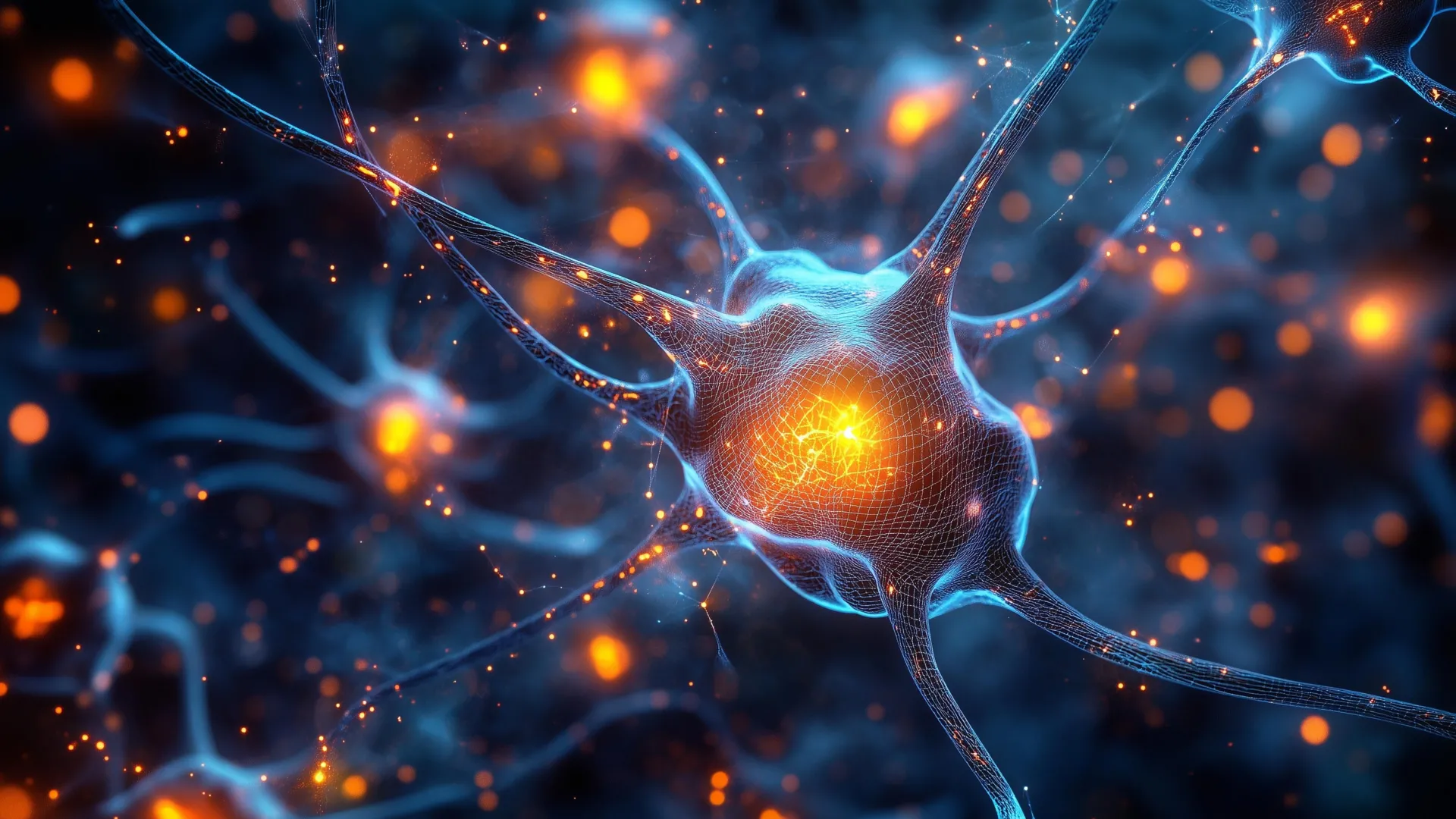
Neuroscientists have identified a small but powerful group of neurons in an ancient region of the brain that acts as a built-in “focus filter,” helping people concentrate by suppressing distractions.
According to a new study published in Science, researchers found that these neurons, located in the brainstem, can selectively block irrelevant sensory information, allowing the brain to zero in on what matters most. When these neurons were temporarily deactivated in lab experiments, subjects struggled significantly with attention and focus tasks.
Lead researcher Dr. Elena Vargas stated:
“This discovery reveals how the brain has evolved sophisticated mechanisms to manage the constant flood of information we receive. It could open new doors for treating attention disorders like ADHD and even age-related cognitive decline.”
The findings are expected to influence future treatments for neurological conditions and improve our understanding of how the brain prioritizes information.